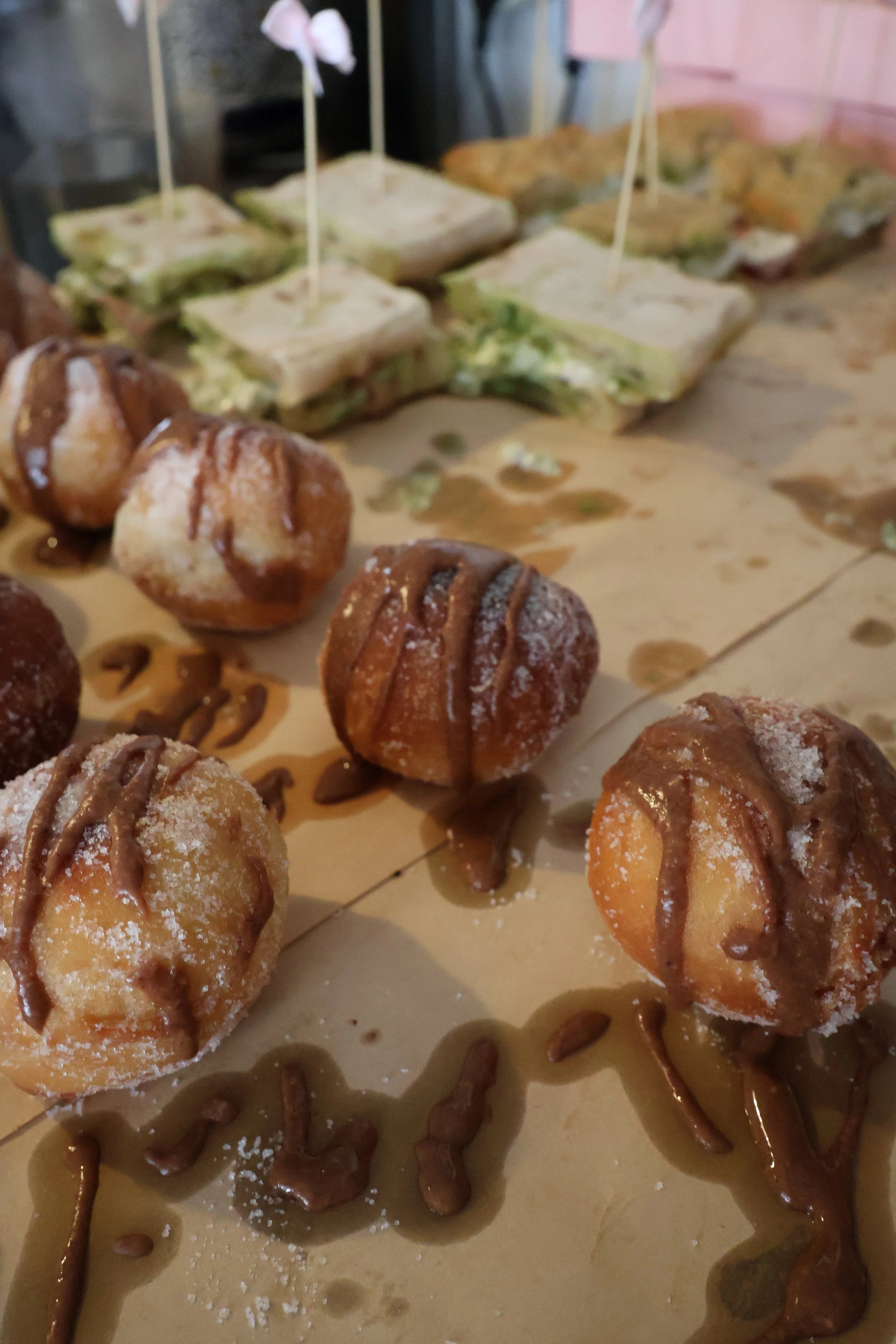
Mini Sourdough Donuts with Citrus Sugar + Chocolate Hazelnut Drizzle
“If you’re the kind of person who hears “LOUKOUMADES!” at the beach and starts jogging like it’s an Olympic sport… hi, same.”
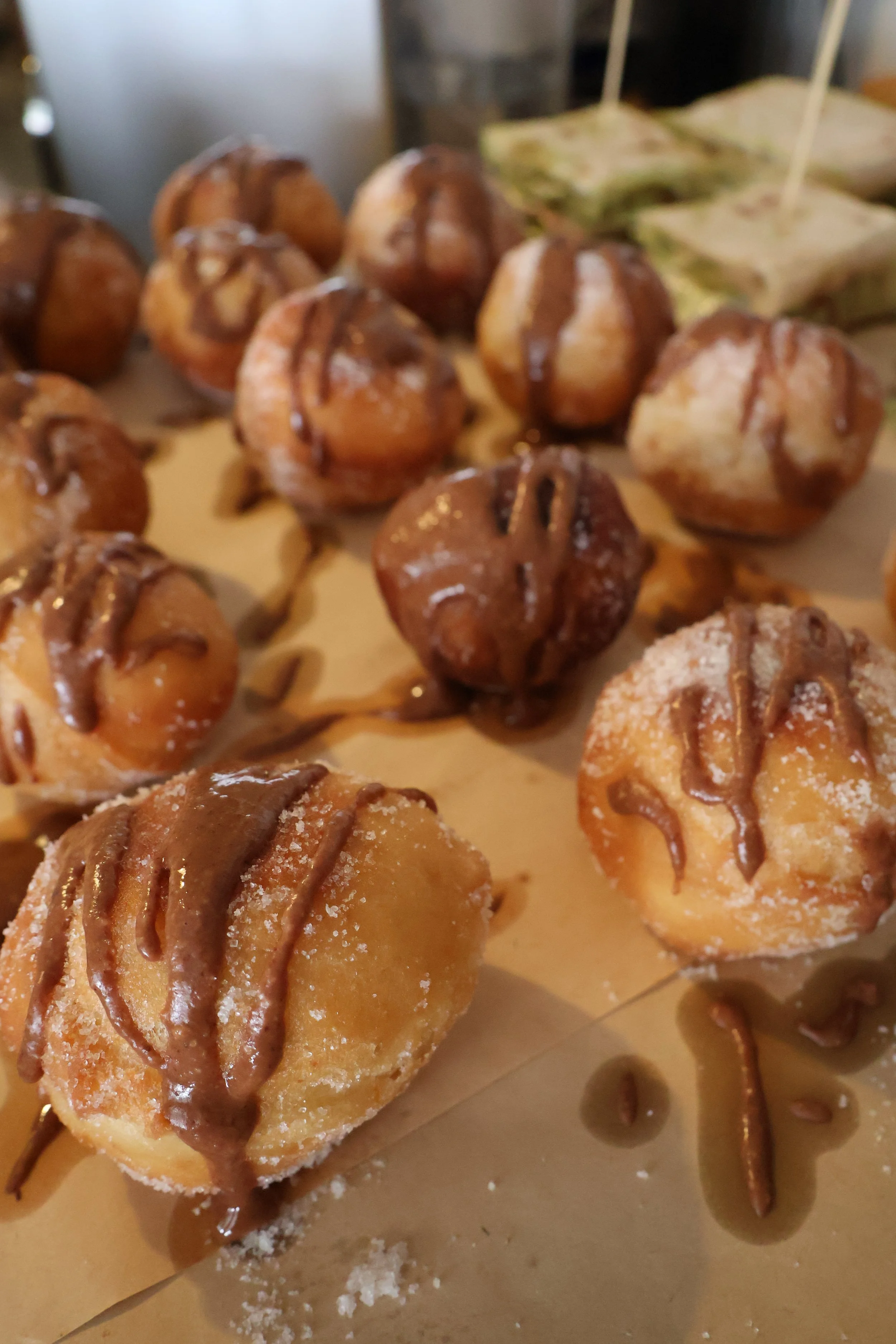

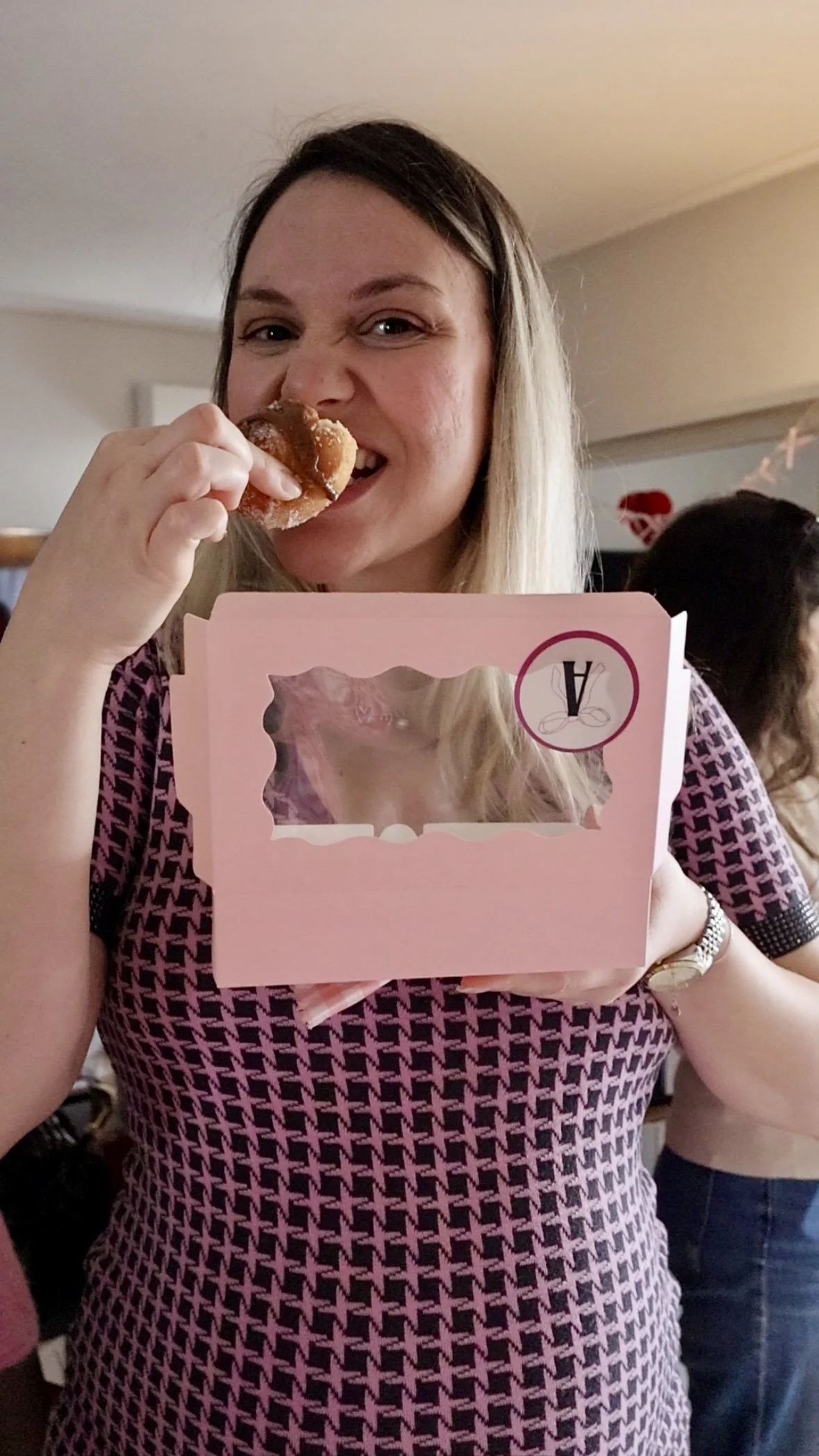
this is the bougie loukouma (donut) upgrade you didnt know you needed.
sourdough, citrus sugar, and Angeliki Tsoukala chocolate-hazelnut drizzled on top like it owns the place.
Why You’ll Love This Recipe
Pillowy + brioche-soft (not cakey, not bready, not sad).
Sourdough depth without tasting “sour”—just richer, toastier, more elegant.
Citrus sugar = instant perfume. Orange/tangerine makes them taste like a brunch dessert, not a fairground snack.
Hosting-friendly workflow: mix ahead, chill overnight, fry fresh.
Freezer-friendly (un-drizzled): stash extras, rewarm, re-sugar, drizzle later.
The Flavor Logic
This recipe is basically a love triangle: fat + citrus + chocolate.
Fat (butter + egg) gives that brioche tenderness—soft and rich, not dry.
Salt keeps it from tasting flat and makes hazelnut-chocolate taste deeper (salt is your quiet bestie).
Citrus in the sugar cuts through the richness and makes the whole thing feel bright and “brunchy,” not heavy.
Heat (oil temp control) is the difference between “pillowy” and “why is it raw inside.”
Final taste test guide:
You want: buttery, lightly sweet donut + fragrant citrus sugar + roasty chocolate-hazelnut.
If it tastes “sweet but flat,” add a tiny pinch of salt to the drizzle or serve with espresso (instant upgrade).
If it tastes heavy, add more citrus zest to your sugar and drizzle lighter—contrast is everything.
Timeline - at a glance
Mini Sourdough Donuts: What You’re Signing Up For (and why it’s worth it)
Yield: ~20–24 mini donuts (bite-size rounds)
Active time: 35–50 min (hands-on)
Rest / chill / ferment time: 8–16 hrs (varies with room temp + starter strength)
Fry time: 20–30 min (batches)
Total time: 10–18 hrs (mostly hands-off)
Make-ahead friendly? Yes—dough loves an overnight chill
Best served: Same day, warm-ish, freshly sugared + drizzled
Schedule options:
Plan A (Same-day):
Mix 09:00 → Rest/Butter 09:30 → Bulk 10:00–16:00 → Chill 30 min → Roll/Cut 16:30 → Proof 17:00–19:00 → Fry 19:00
Plan B (Overnight, easiest):
Mix 20:00 → Short rest + butter 20:30 → Fridge 21:30 overnight → Roll/Cut 10:00 → Proof 10:30–13:00 → Fry 13:00
Key checkpoints:
Dough after mixing + butter: glossy, stretchy, tacky (not pourable)
Proofed rounds: marshmallowy + slow spring-back on poke test
Fry: 165–175°C oil (stable temp matters more than exact number)
Optional AKS Upgrades
Orange–tangerine sugar blend: half orange zest, half tangerine zest = fragrance bomb.
Crunchy topping moment: chopped toasted hazelnuts + a micro pinch of flaky salt on the drizzle.
Espresso vibe: serve with affogato energy (ice cream + espresso) or just strong coffee—same mood.
Platter upgrade: pile donuts high, drizzle right before serving, scatter berries for color.
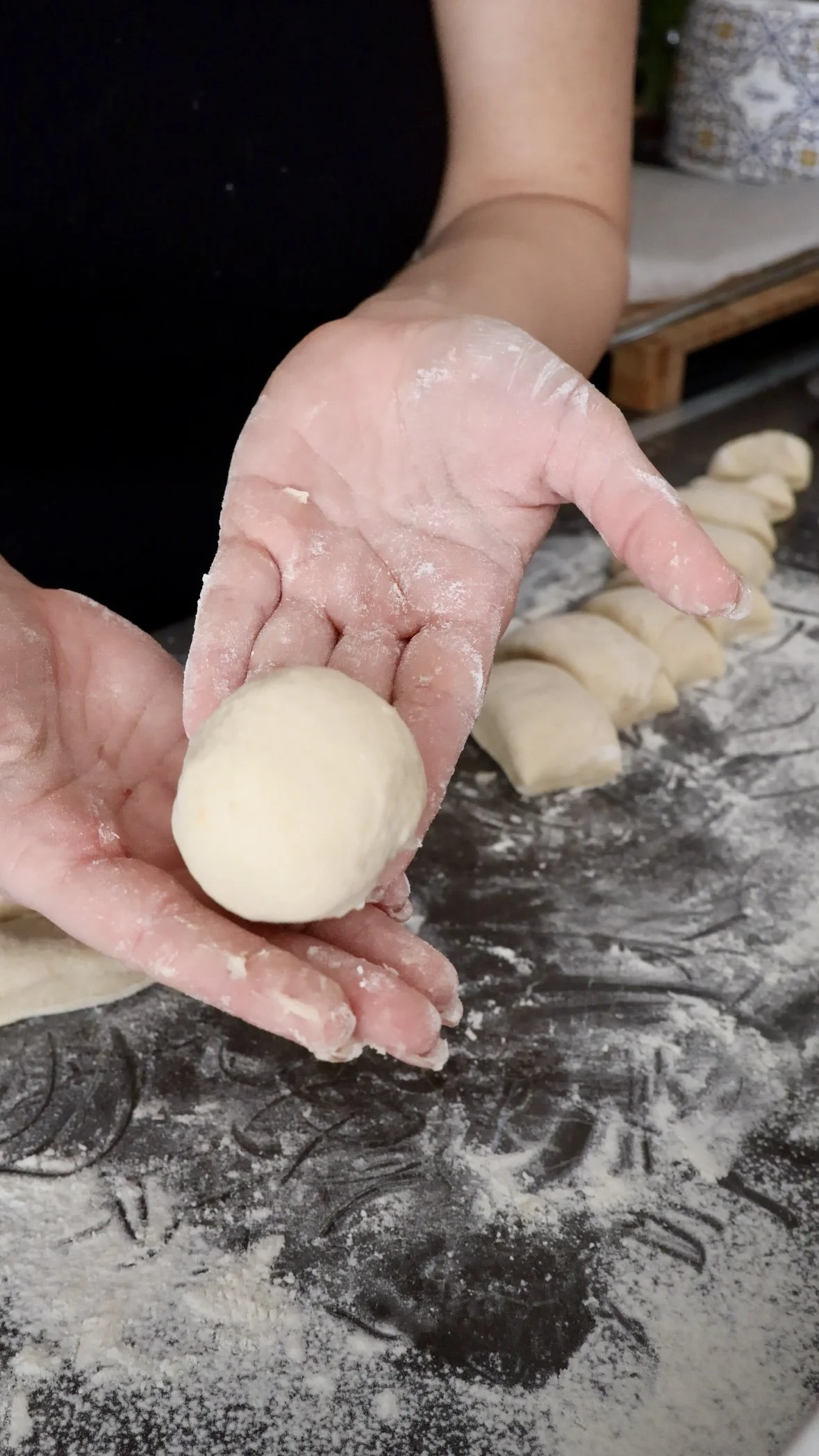
Ingredients (~ 25 mini Donuts)
Dough
Bread flour: 315 g
Granulated sugar: 40 g
Fine salt: 6 g
Milk (whole preferred, cool): 145 g/ml
Egg: 1 large (about 50 g without shell)
Sourdough starter (100% hydration): 70 g
Note: active starter gives faster rise; discard still works but can take longer
Unsalted butter (soft but cool, not melted): 55 g
Vanilla extract: 4 g/ml (about ¾ tsp)
Frying
Neutral oil for frying : 1–1.5 L (depends on pot width; you want ~5–6 cm depth)
Citrus Sugar Coating
Granulated sugar: 180–220 g
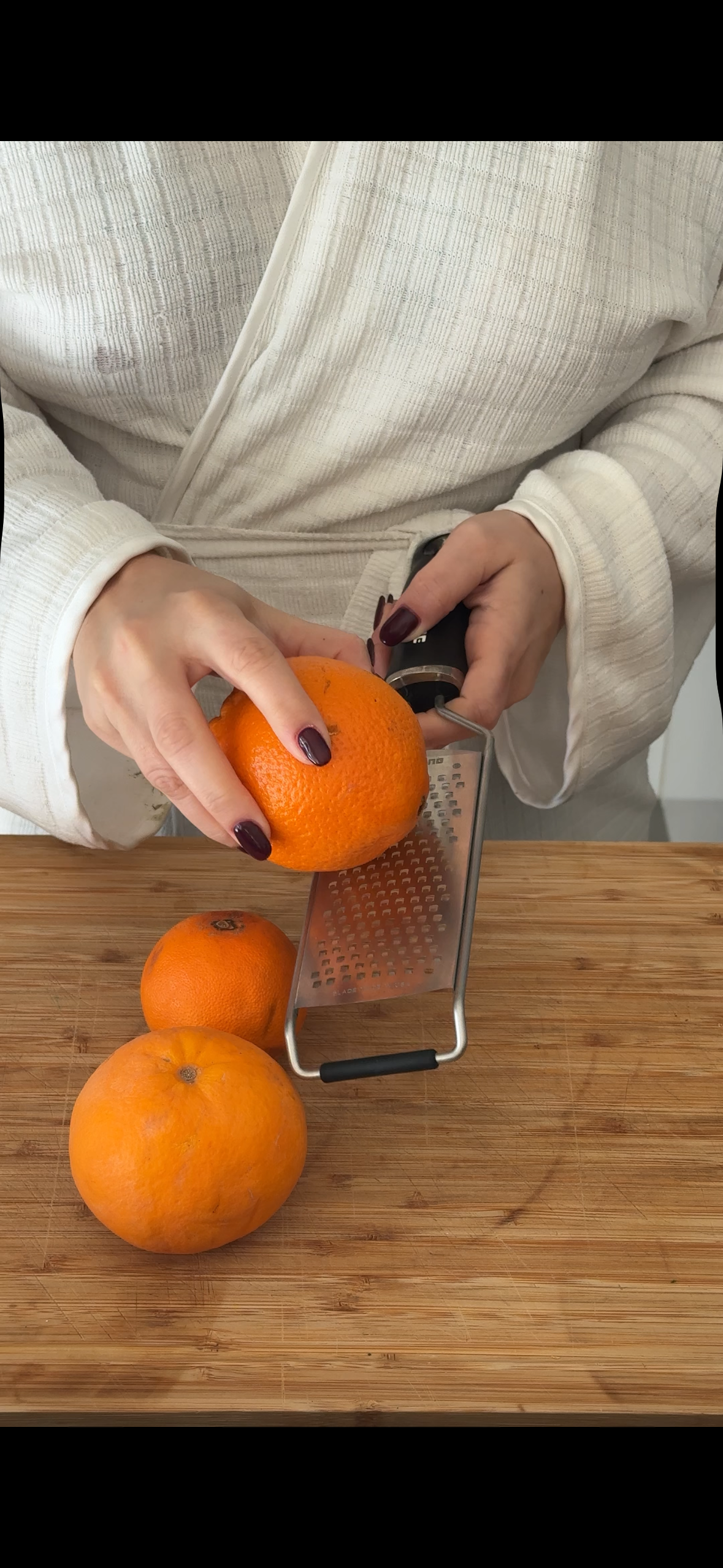
Zest: 1 orange or 1–2 tangerines
Tip: rub zest into sugar with your fingers until fragrant and slightly damp
To Finish (no filling — drizzle/dip)
Angeliki Tsoukala chocolate-hazelnut spread (for drizzle or dipping)
Equipment You’ll Need
Digital scale (highly recommended): dough is more reliable in grams than cups.
Stand mixer (helpful): enriched sourdough dough is sticky; mixer builds gluten without tears.
Heavy pot / Dutch oven: stable heat = stable frying.
Thermometer (strongly recommended): oil temp decides everything.
Parchment squares: makes sticky dough rounds easy to transfer without deflating.
Wire rack + tray: drains oil without steaming the bottoms.
No proofing box? Use the oven (OFF) with the light on, or a warm corner—just don’t overheat.
How to Make It
1) Mix the dough (without butter first)
What you’re doing: Combine flour, sugar, salt, milk, egg, vanilla, and starter until a shaggy dough forms.
Why it matters: You want gluten to start forming before butter goes in—butter too early = weak structure and dense donuts.
Timing range: 2–4 minutes (mixer low) or 4–6 minutes by hand.
Look for: shaggy dough that looks messy but cohesive; not pourable.
Common mistake: adding butter immediately because the dough looks “done.”
If it happens: keep mixing longer; you can still develop gluten, it just takes more time.
Gluten development checkpoint:
Pinch a small piece and stretch gently. You don’t need perfect windowpane yet, but it should stretch a bit before tearing.
2) Short rest, then add butter
What you’re doing: Cover and let the dough rest 10-20 minutes, then mix in butter gradually.
Why it matters: Rest hydrates flour; gradual butter addition builds a glossy, elastic dough instead of greasy soup.
Timing range:
Rest: 10-20 minutes
Butter mixing: 6–10 minutes (mixer medium)
Look for: after butter, dough turns smooth, shiny, stretchy, and clings less to the bowl (still tacky).
Common mistake: butter too warm/melted → dough becomes slippery and won’t strengthen.
If it happens: chill the dough 20 minutes, then continue mixing.
3) Start fermentation (choose your schedule)
What you’re doing: Give the dough a short room-temp start, then chill in the fridge for a controlled rise.
Why it matters: Sourdough needs time to ferment; the fridge makes timing predictable and improves flavor.
Timing range:
Room-temp start: 30–60 minutes
Fridge ferment: 8–14 hours (up to ~18)
Look for: slight puffing after the room-temp start; in the fridge you may see more rise by morning.
Common mistake: expecting it to double quickly like yeasted dough.
Starter strength note:
Strong starter: dough shows more puffing and proofs faster
Weak/very acidic starter: slower proof, more tang; allow extra time and keep dough warmer.
Temperature logic:
Cool kitchen = longer proofing.
Warm kitchen = faster proofing (and easier to overproof).
4) Roll, cut, and set up your proof
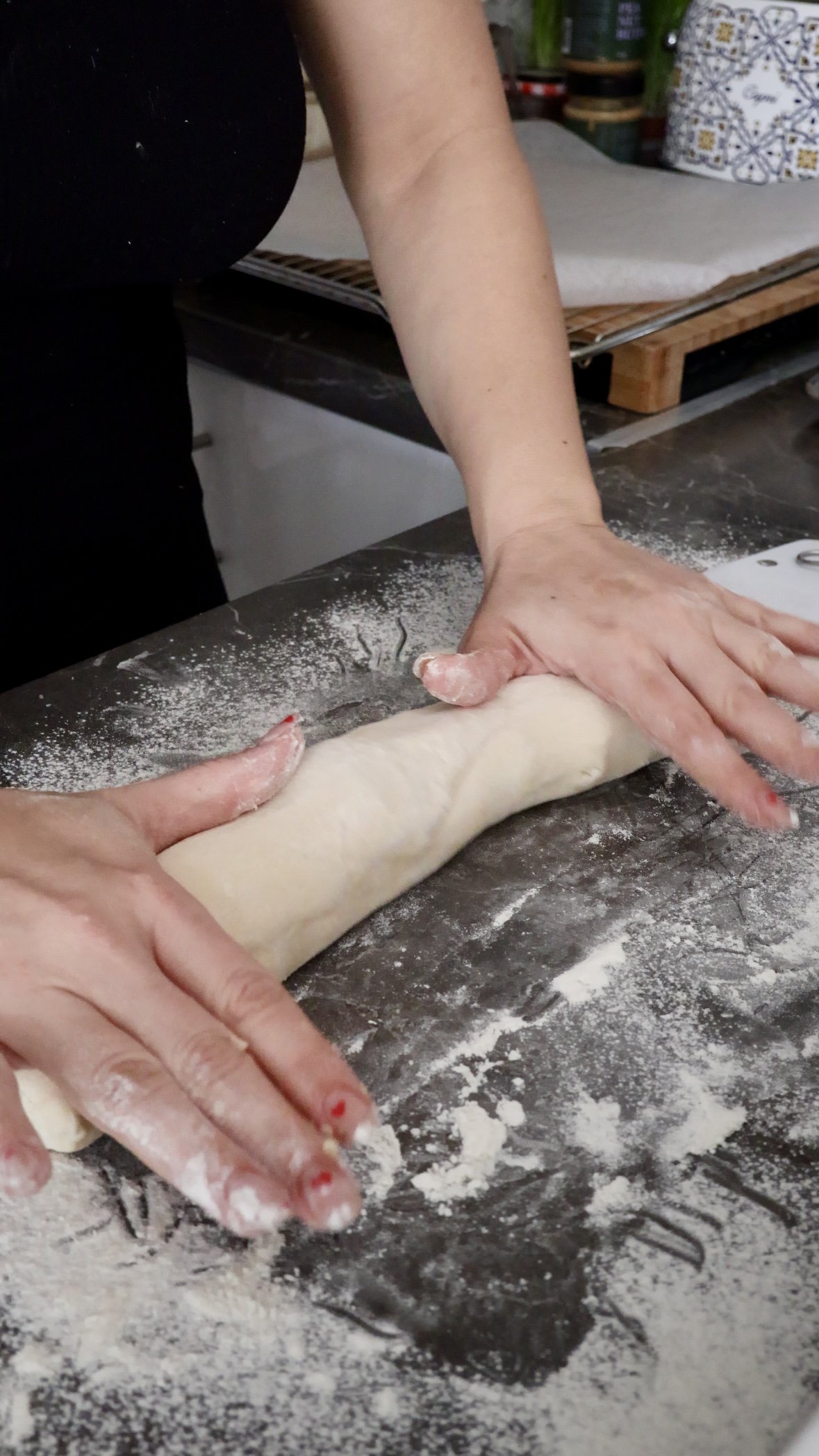
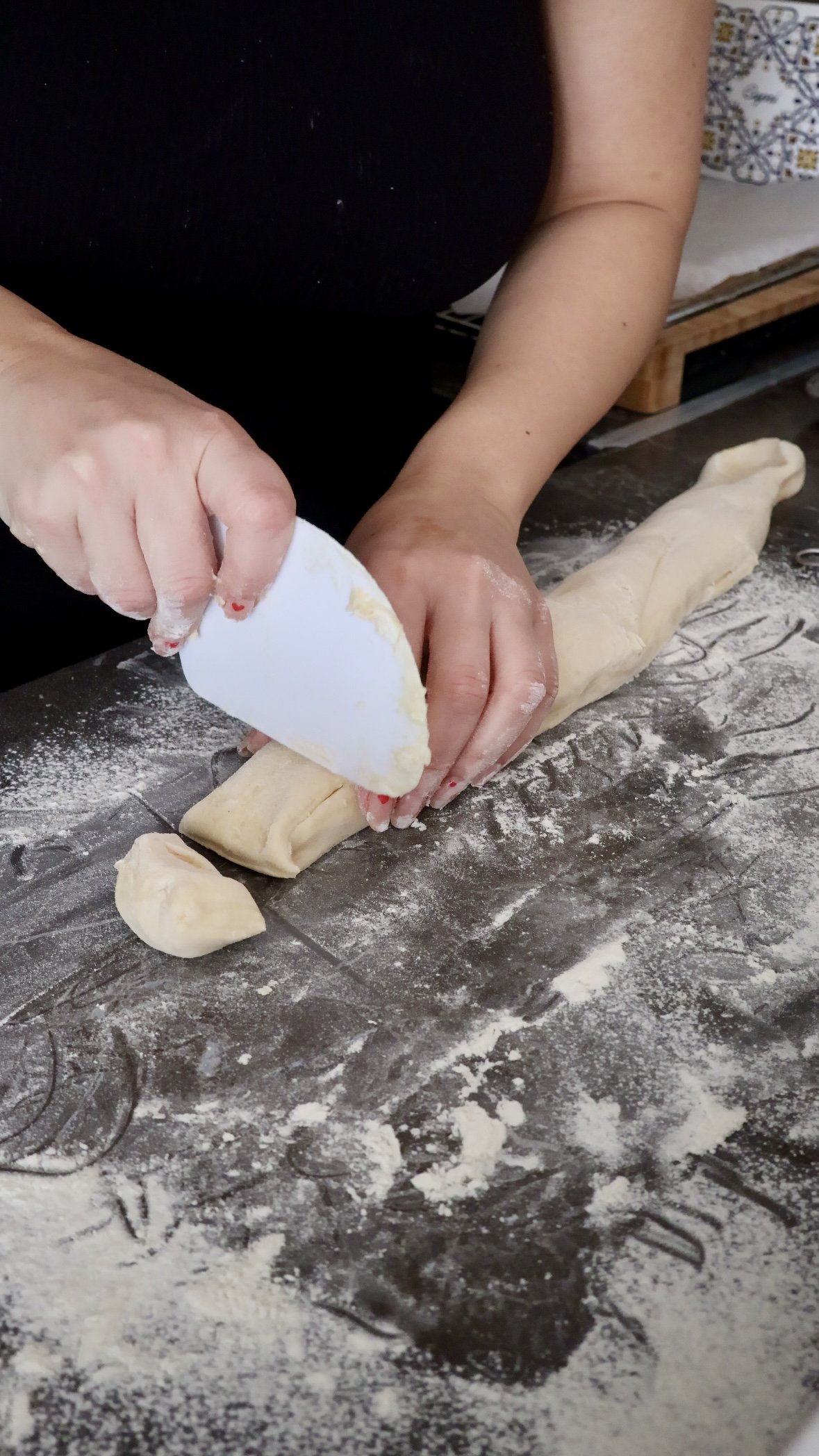
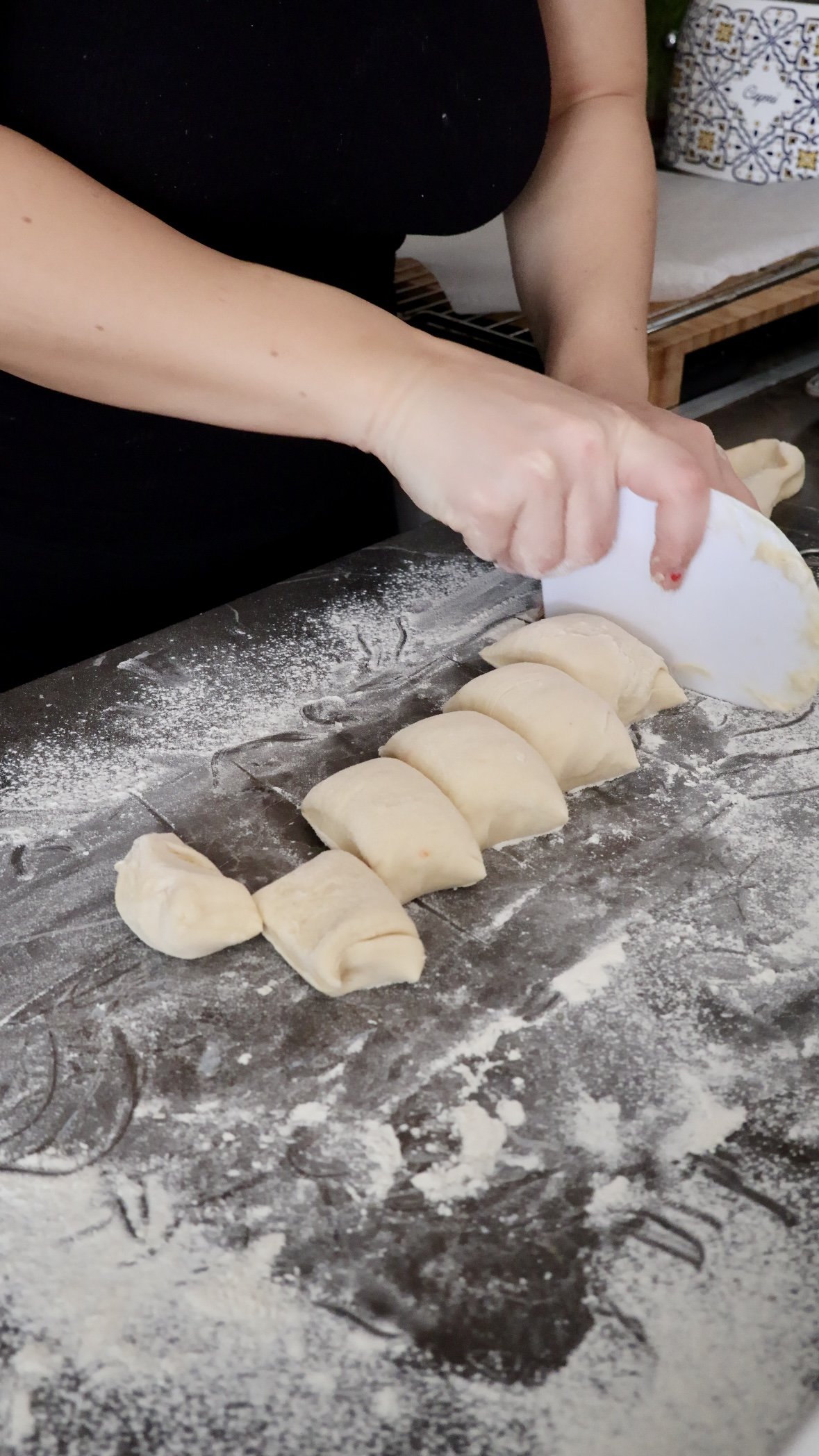
What you’re doing: Roll cold dough, cut mini rounds, place each on parchment.
Why it matters: Cold dough is easier to handle; parchment prevents deflation when transferring to oil.
Timing range: 15–25 minutes.
Look for: dough feels cool, pliable, slightly tacky; rolls without tearing.
Common mistake: adding lots of flour to “fix” stickiness → dense donuts.
If it happens: chill the dough 20 minutes and use a light dusting instead.
Shaping checkpoint:
Roll to 8–10 mm thickness for minis. Thicker rounds brown outside before cooking inside.
5) Proof until marshmallowy (this is the real make-or-break)
What you’re doing: Let the cut rounds rise until airy and soft.
Why it matters: Underproofed donuts fry up tight and raw inside; overproofed donuts collapse.
Timing range: 1.5–4 hours depending on room temp and starter strength.
Look for: noticeably puffed, jiggly, “pillow” feel.
Common mistake: frying because “they’ve been sitting long enough.”
If it happens: do the poke test.
Proofing checkpoint: The Poke Test
Gently poke the side:
Springs back fast: underproofed → wait 20–40 more minutes
Slow spring-back: ready → fry
Doesn’t spring back + looks fragile: overproofed → fry very gently at slightly lower temp and handle carefully
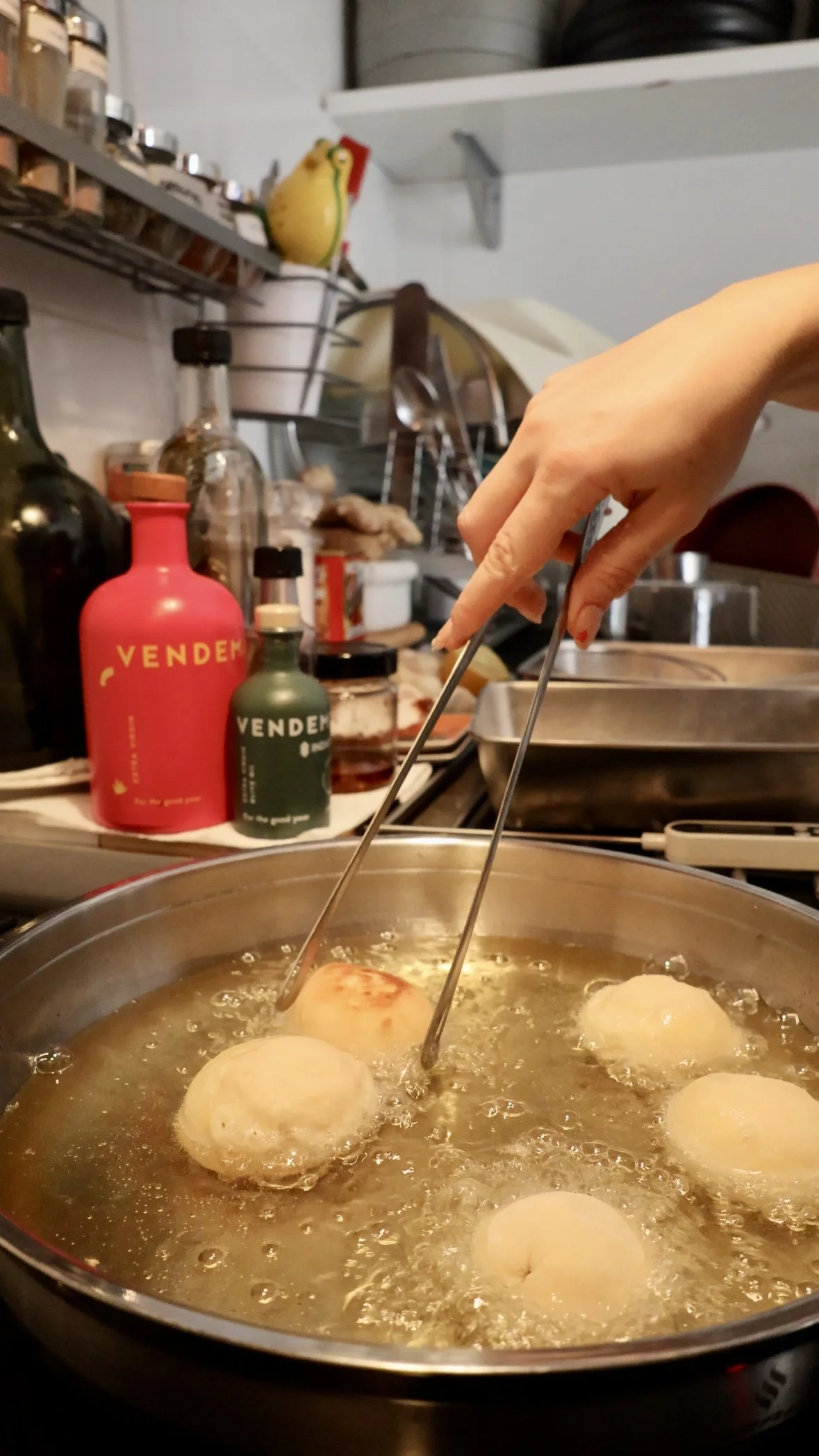
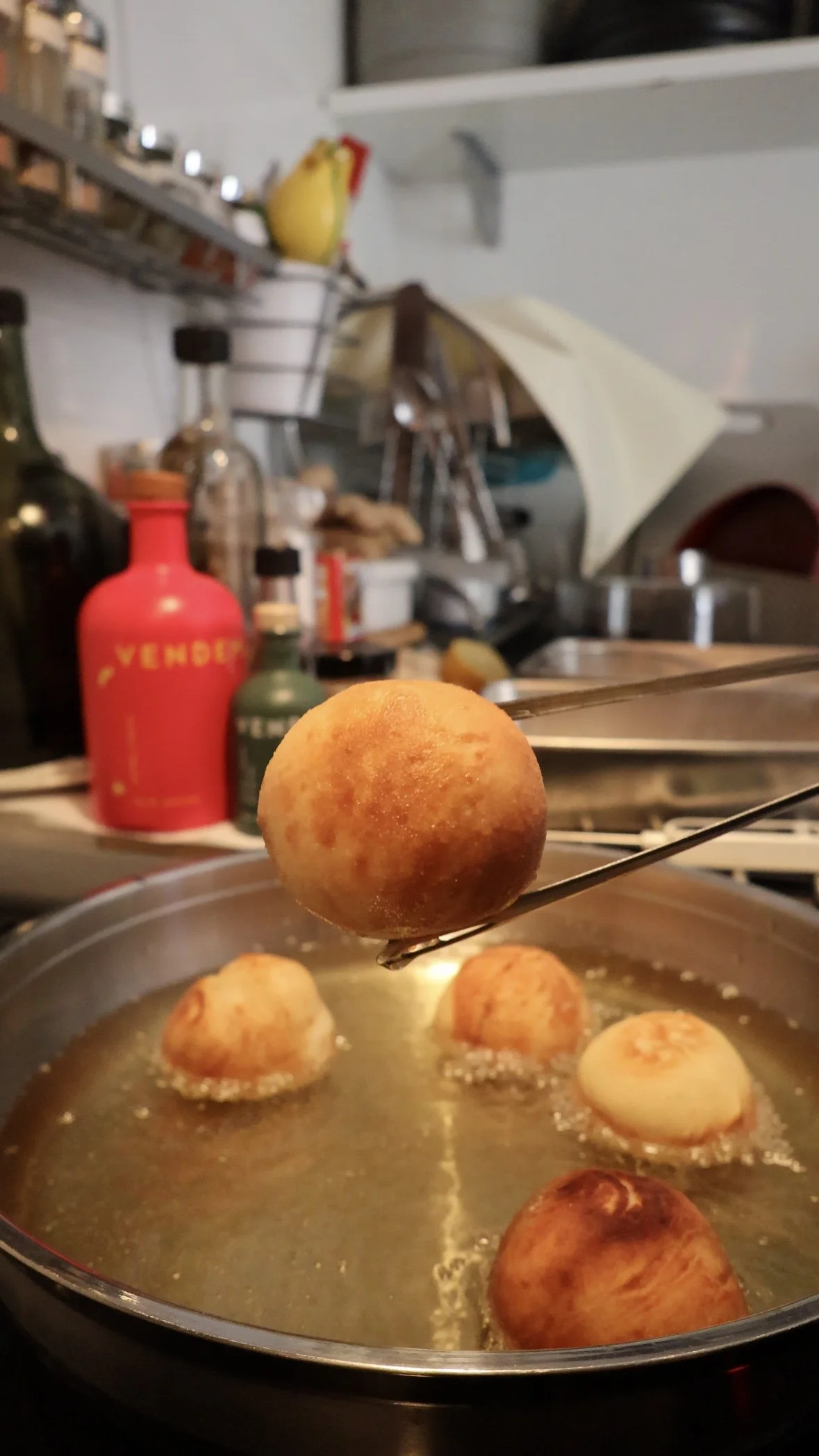
6) Fry with temperature control
What you’re doing: Fry in small batches at stable oil temp, then sugar while warm.
Why it matters: Oil temp is the difference between golden + cooked vs burnt outside + raw inside.
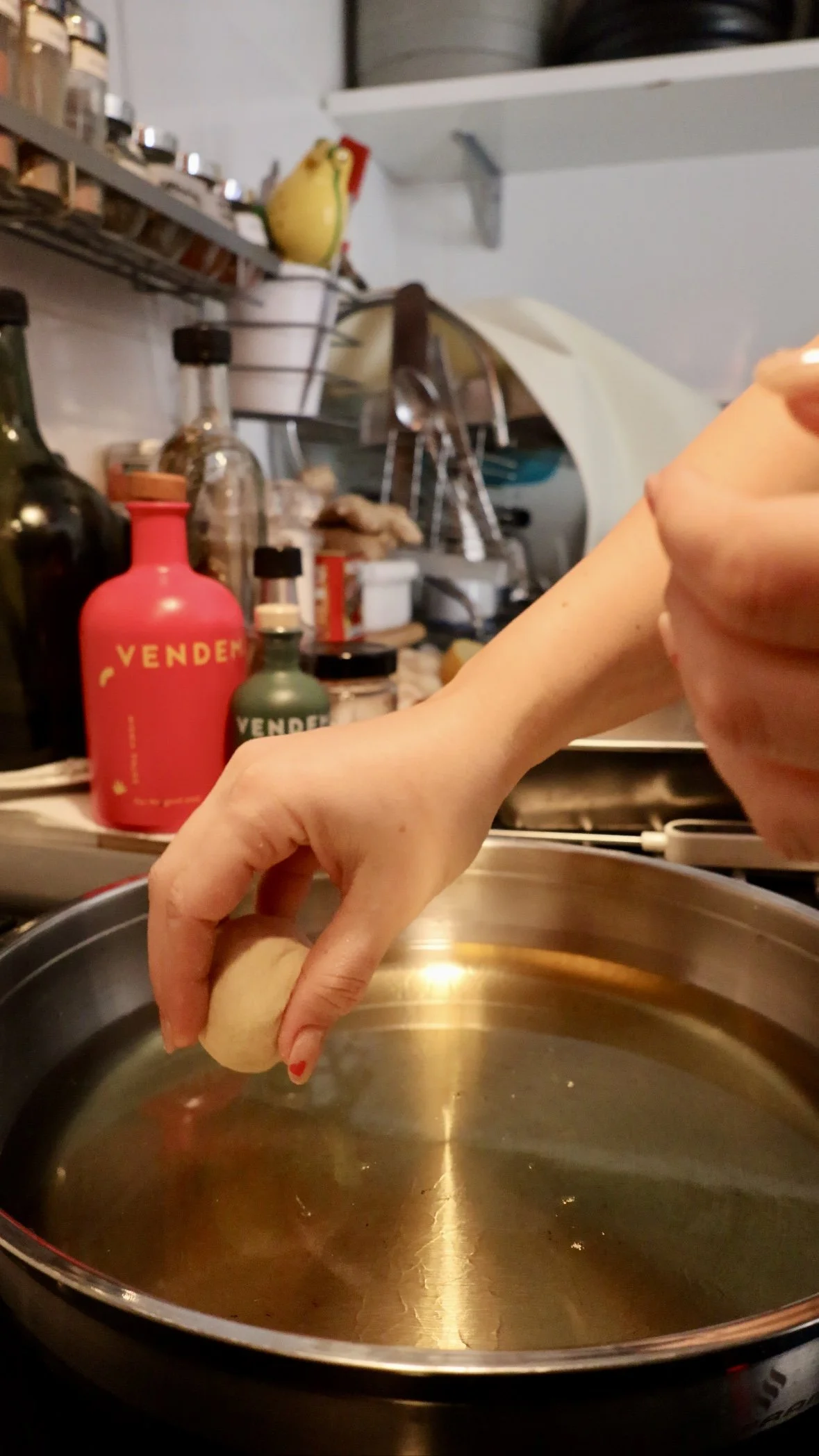
Oil temp target: 165–175°C (I like 170°C for minis; go lower if they brown too fast).
Timing range: 2 Minutes per side (depends on thickness + oil temp)
Look for: deep golden color, even browning, donuts feel light but cooked.
Common mistake: overcrowding the pot (oil temp drops → greasy donuts).
If it happens: fry fewer at a time and let oil recover back to temp.
Decision point (important):
If they brown too fast but are raw inside, your oil is effectively too hot OR donuts are too thick. Lower to 160–165°C and/or roll thinner next batch.
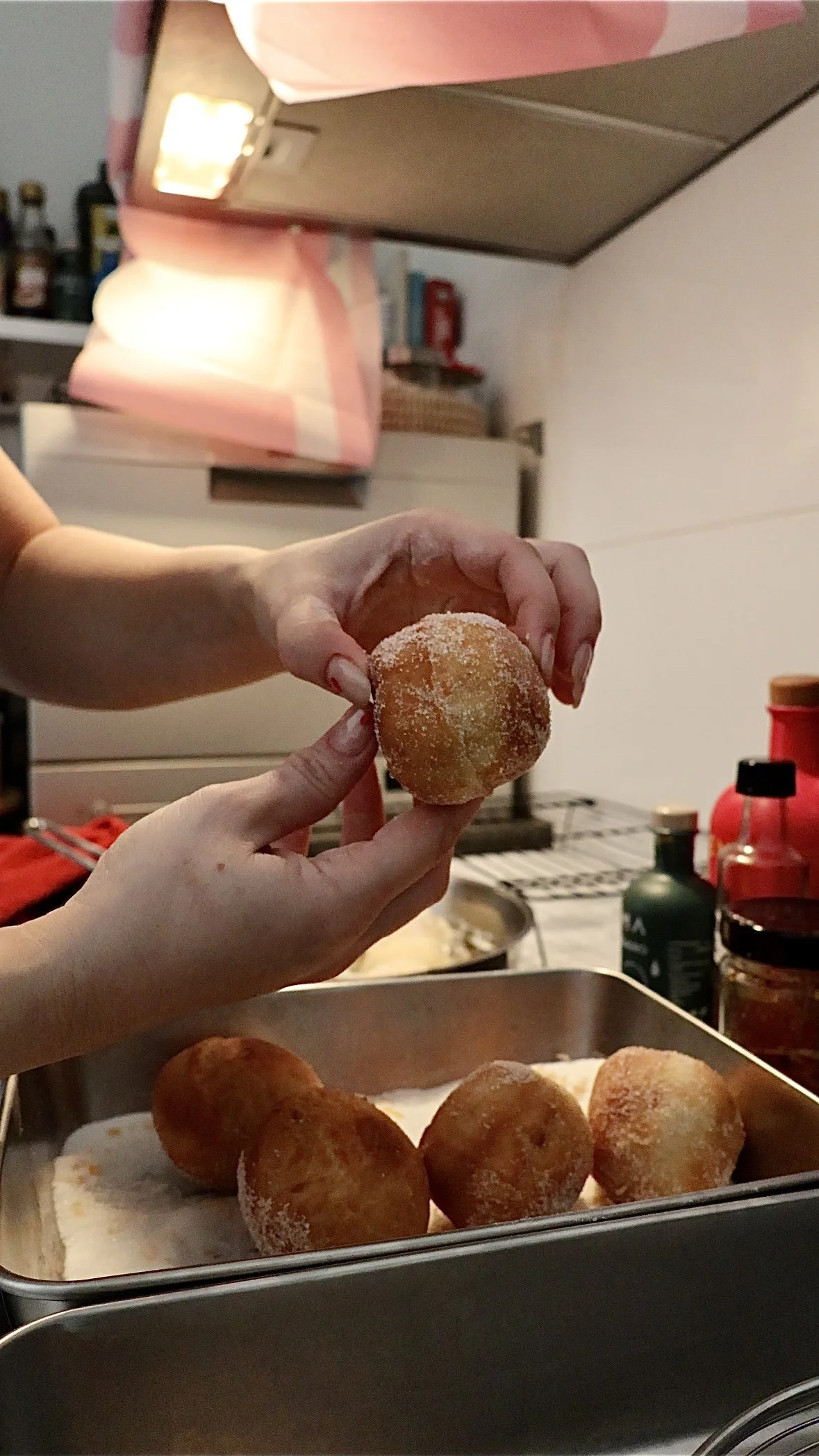
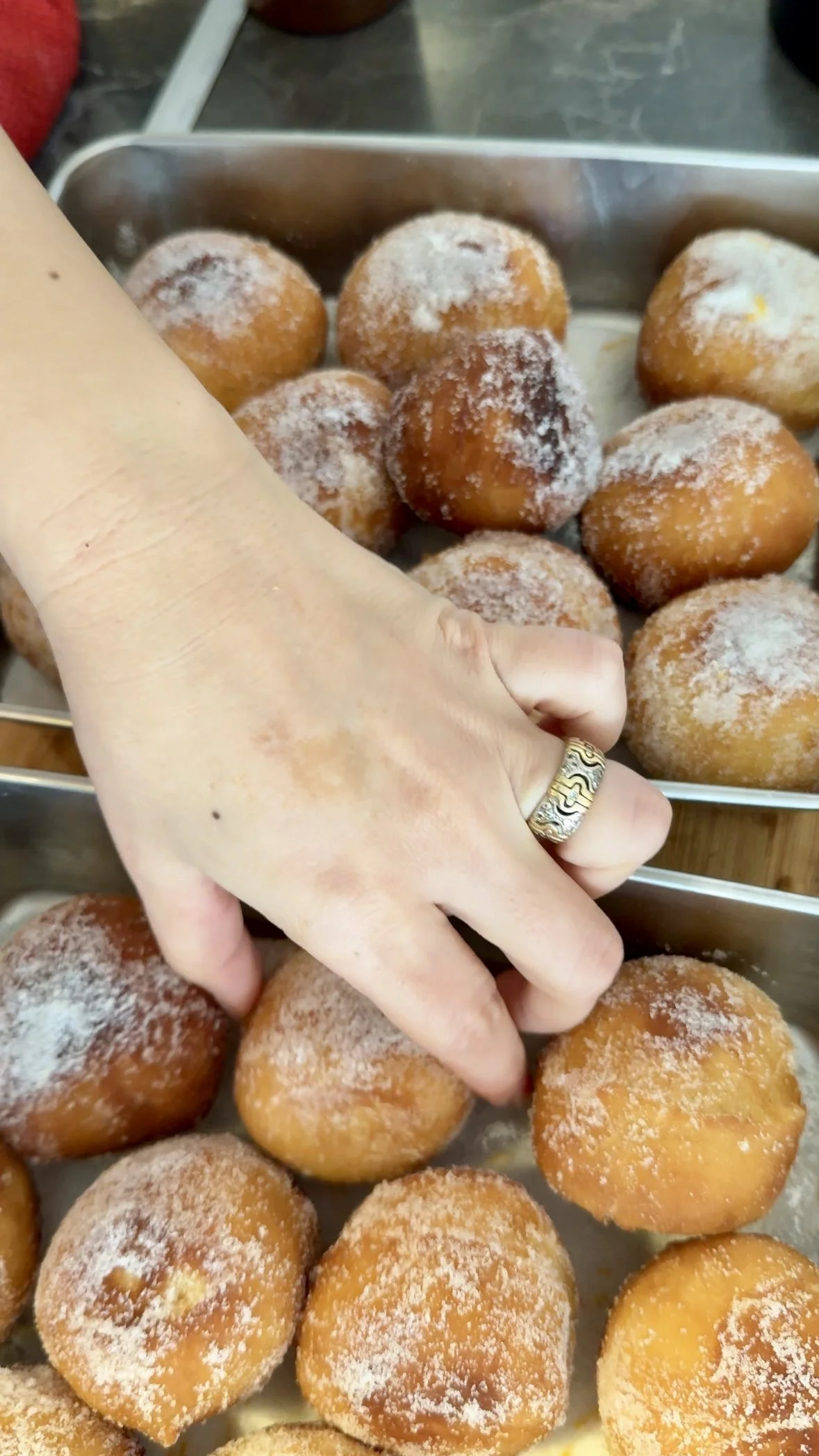
7) Citrus sugar coat
What you’re doing: Toss warm donuts in citrus sugar.
Why it matters: Warm surface grabs sugar; cold donuts shed it like a bad attitude.
Timing range: 1–2 minutes.
Look for: sugar clings evenly and smells intensely citrusy.
Common mistake: letting donuts cool fully first.
If it happens: lightly mist donuts with a tiny bit of water (or steam them for 5 seconds) and re-roll in sugar.
8) Finish with chocolate-hazelnut drizzle
What you’re doing: Warm spread slightly and drizzle or dip.
Why it matters: Warmed spread flows (and doesn’t tear sugar coating).
Timing range: 2–5 minutes.
Look for: smooth ribbon drizzle; not thick clumps.
Common mistake: overheating until oily separation.
If it happens: stir well and let it cool slightly; drizzle will tighten back up.
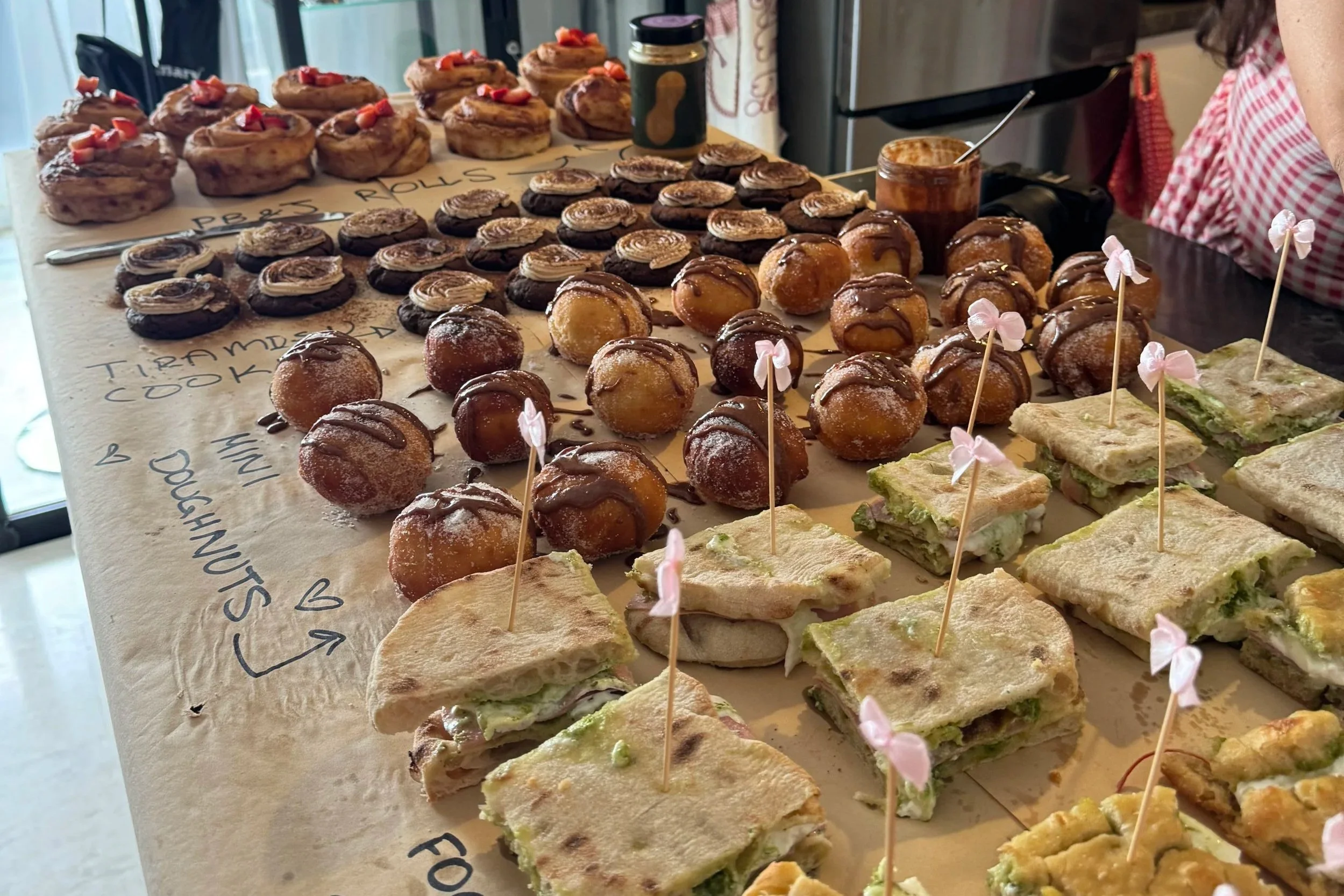
Tips & Troubleshooting
-
Butter too warm or added too fast → Chill dough, then mix again until elastic → Use soft-cool butter and add slowly.
-
Under-developed gluten → Mix a few minutes more (before butter) and rest → Give it the 20–30 min hydration rest every time.
-
Cold fridge or weak starter → Give dough 60–90 min at room temp in the morning before rolling → Use starter at peak next time (domed, bubbly, not collapsed).
-
Proofing area too cool or starter sluggish → Move to warmer spot (24–27°C) and wait; sourdough takes time → Plan longer proof window next time.
-
Oil is hotter than you think OR donuts are too thick → Lower to 160–165°C and roll to 8–10 mm → Use a reliable thermometer and fry smaller batches.Overproofed → Bake immediately; don’t wait → Shorten final proof next time
QUick Saves
Already too brown but raw: finish in oven 150–160°C for 10–15 min on a rack (saves the batch).
Underproofed but guests arriving: move proofing tray to a warm spot (oven OFF with light on) and give it 30–60 min.
Drizzle too thick: warm the spread slightly and drizzle from higher up for a thin ribbon.
Sugar not sticking: re-warm donuts briefly in a 160°C oven for 2–3 minutes, then re-sugar.
Don’t Panic, This Is Normal (sourdough edition)
Sticky dough after mixing
Proofing taking “forever” compared to yeasted dough
Overnight rise being modest (especially in a cold fridge)
Dough handling improving dramatically once chilled
Reading Your Dough
Under-fermented signs: tight feel, little puffing, tears easily, proofing is painfully slow
Do this: give more warm time (24–27°C) and wait; don’t rush frying
Properly fermented signs: dough feels airy, smoother, slightly puffy, stretches without shredding
Do this: proceed; shaping is easier and fry results are fluffier
Over-fermented signs: very gassy, fragile, sticky in a “stringy” way, collapses when handled
Do this: handle gently, chill briefly, shape quickly, proof shorter, fry at slightly lower temp
Substitutions & Variations
Flour: bread flour is best; strong AP works but may be slightly less lofty.
Citrus: orange, tangerine, mandarin—choose what smells best at the market.
Sugar coating: swap half white sugar for fine caster sugar for a more delicate crunch.
Vanilla: optional, but it makes the dough smell like a bakery.
Chocolate finish: drizzle, dip, or “half dip” for that patisserie look.
Hazelnut crunch: add toasted chopped hazelnuts on top of drizzle.
Egg-free: not recommended here—egg is a major structure + tenderness driver in enriched dough.
Commercial yeast option (timing shortcut): If you ever want it faster, a small pinch of instant yeast drastically shortens proofing (but today we’re doing pure sourdough, queen).
Storage
Fridge
Best practice: store un-drizzled donuts in an airtight container up to 24 hours.
Citrus sugar will soften over time; re-sugar before serving if needed.
Freezer
Freeze fully cooled, un-drizzled donuts in a freezer bag up to 1 month.
Thaw at room temp 30–60 minutes.
Reheat (best texture)
Oven: 160°C for 5–7 minutes, then re-sugar and drizzle.
Air fryer: 150–160°C for 3–5 minutes (watch closely).
Microwave: last resort (softens sugar + can go chewy).
Make-ahead plan
Day before: mix dough → fridge overnight. Make citrus sugar (zest into sugar) and store covered.
Day of: roll/cut → proof → fry → sugar → drizzle right before serving.
Hosting Notes
T-24h:
Mix dough, rest, add butter, refrigerate overnight.
Prep citrus sugar and store covered.
Set up parchment squares + serving platter.
Day-of (morning):
Roll and cut minis.
Start proofing in a warm-ish spot.
T-2h:
Confirm “marshmallow” proofing cues; set up frying station.
Warm chocolate-hazelnut spread slightly so it’s drizzle-ready.
T-1h:
Fry in batches, sugar-coat while warm.
Keep finished donuts lightly covered (not sealed tight—steam is the enemy of sugar crunch).
T-30m:
Arrange on platter, do the drizzle/dip moment.
Add hazelnut crunch if using.
Batching + platter strategy:
Pile donuts high for abundance, drizzle in ribbons right before guests arrive, and keep a small bowl of extra spread for “dip people.” (There are always dip people.)
Estimated Nutrition (per serving)
Per 1 mini donut (estimate): ~150–190 kcal
Protein: 2–3 g
Carbs: 18–24 g
Fat: 7–10 g
Assumptions: Yield ~22 minis; includes sugar coating; drizzle amount varies (numbers assume a modest drizzle, not a chocolate waterfall… although I support your choices).
AKS RECIPE CARD
Mini Sourdough Donuts
Pillowy-soft mini sourdough donuts with citrus sugar + Angeliki Tsoukala chocolate-hazelnut drizzle.
Ingredients
Dough
- Bread flour: 315 g
- Granulated sugar: 40 g
- Fine salt: 6 g
- Milk (whole preferred, cool): 145 g/ml
- Egg: 1 large (about 50 g without shell)
- Sourdough starter (100% hydration): 70 g (active = faster rise; discard = longer)
- Unsalted butter: 55 g (soft but cool, not melted)
- Vanilla extract: 4 g/ml (about ¾ tsp)
Frying
- Neutral oil: 1–1.5 L (aim for 5–6 cm depth)
Citrus Sugar Coating
- Granulated sugar: 180–220 g
- Zest: 1 orange or 1–2 tangerines (rub into sugar until fragrant)
To Finish
- Angeliki Tsoukala chocolate-hazelnut spread (for drizzle or dipping)
Equipment
- Digital scale (highly recommended)
- Stand mixer (helpful for sticky enriched dough)
- Heavy pot / Dutch oven
- Thermometer (strongly recommended)
- Parchment squares + wire rack + tray
Method
- Mix (no butter): Combine flour, sugar, salt, milk, egg, vanilla, and starter until shaggy and cohesive (2–4 min mixer low / 4–6 min by hand).
- Rest: Cover and rest 10–20 min (hydration + easier gluten development).
- Add butter: Mix in butter gradually until smooth, glossy, and stretchy (6–10 min). Dough stays tacky—normal.
- Start fermentation: Rest at room temp 30–60 min, then refrigerate 8–14 hrs (up to ~18).
- Roll + cut: Roll cold dough to 8–10 mm; cut mini rounds and place on parchment squares (15–25 min).
- Proof: 1.5–4 hrs at warm room temp until “marshmallowy.” Poke test: slow spring-back = ready.
- Fry: Fry in small batches at 165–175°C (aim 170°C), ~2 min per side until deep golden; avoid crowding.
- Sugar: Toss warm donuts in citrus sugar so it sticks evenly.
- Finish: Warm spread slightly and drizzle/dip; stop heating before it turns oily.
Quick Troubleshooting
- Brown outside, raw inside: Oil too hot or donuts too thick—lower to 160–165°C and/or roll thinner (8–10 mm).
- Dense donuts: Underproofed—proof longer until slow spring-back poke test.
- Collapsed/wrinkly: Overproofed—fry gently, slightly lower temp, handle carefully; shorten proof next time.
- Greasy: Oil too cool or overcrowded—fry fewer and let oil return to temp between batches.
- Sugar won’t stick: Donuts cooled—toss while warm; rewarm 2–3 min at 160°C and re-sugar if needed.
Storage
- Fridge: Un-drizzled, airtight container up to 24 hrs (re-sugar before serving).
- Freezer: Un-drizzled, fully cooled, airtight up to 1 month; thaw 30–60 min.
- Reheat: Oven 160°C 5–7 min, then re-sugar + drizzle (keeps them fluffy).
Estimated nutrition (per serving): ~150–190 kcal, P 2–3 g / C 18–24 g / F 7–10 g (per 1 mini donut; drizzle varies).
