Crispy Sourdough Baguettes (Bakery-Style, 3 Baguettes)
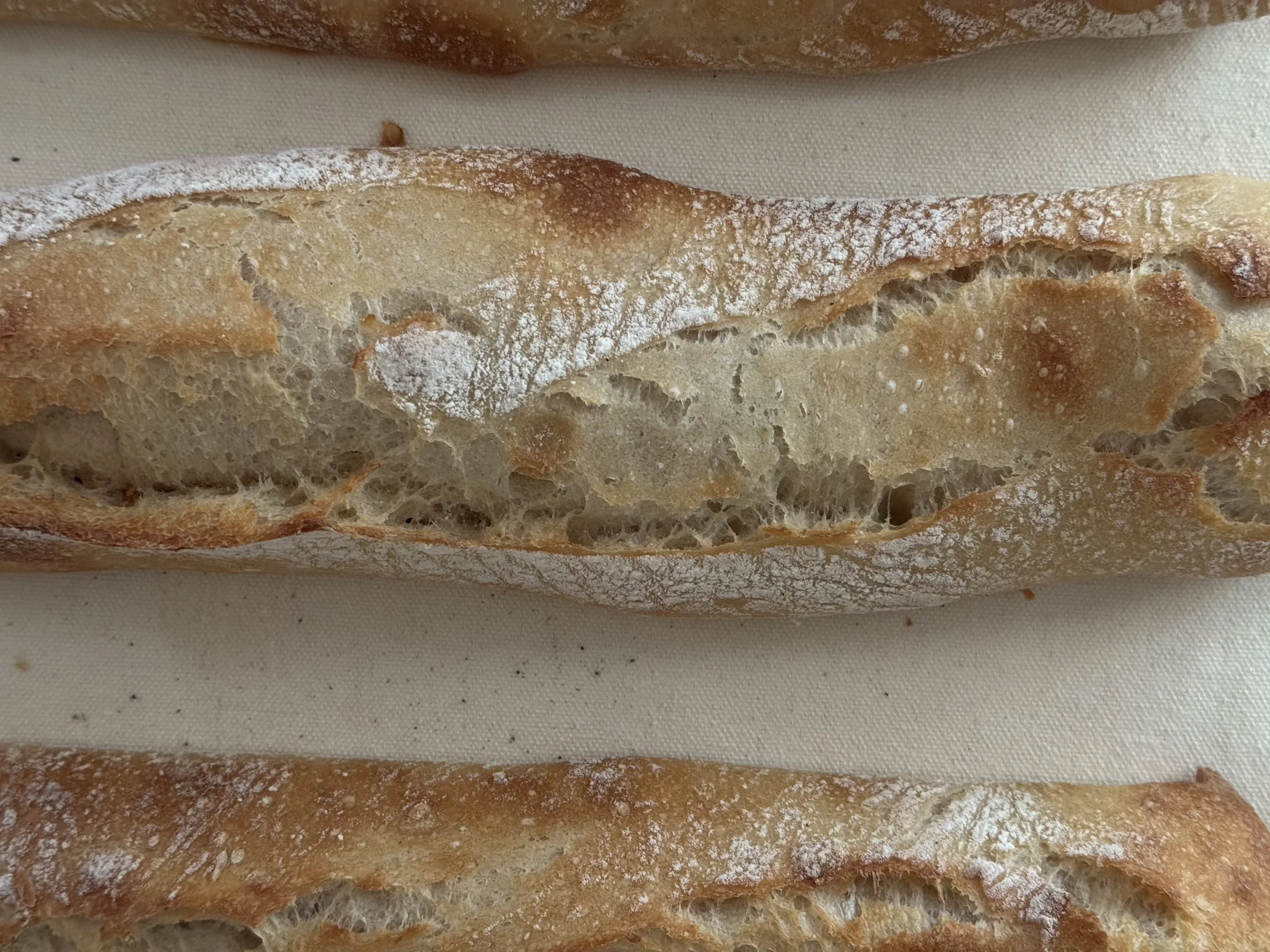
“This is the bread people remember. Not the main dish. Not the dessert. The bread.
And honestly… that’s exactly how it should be.”
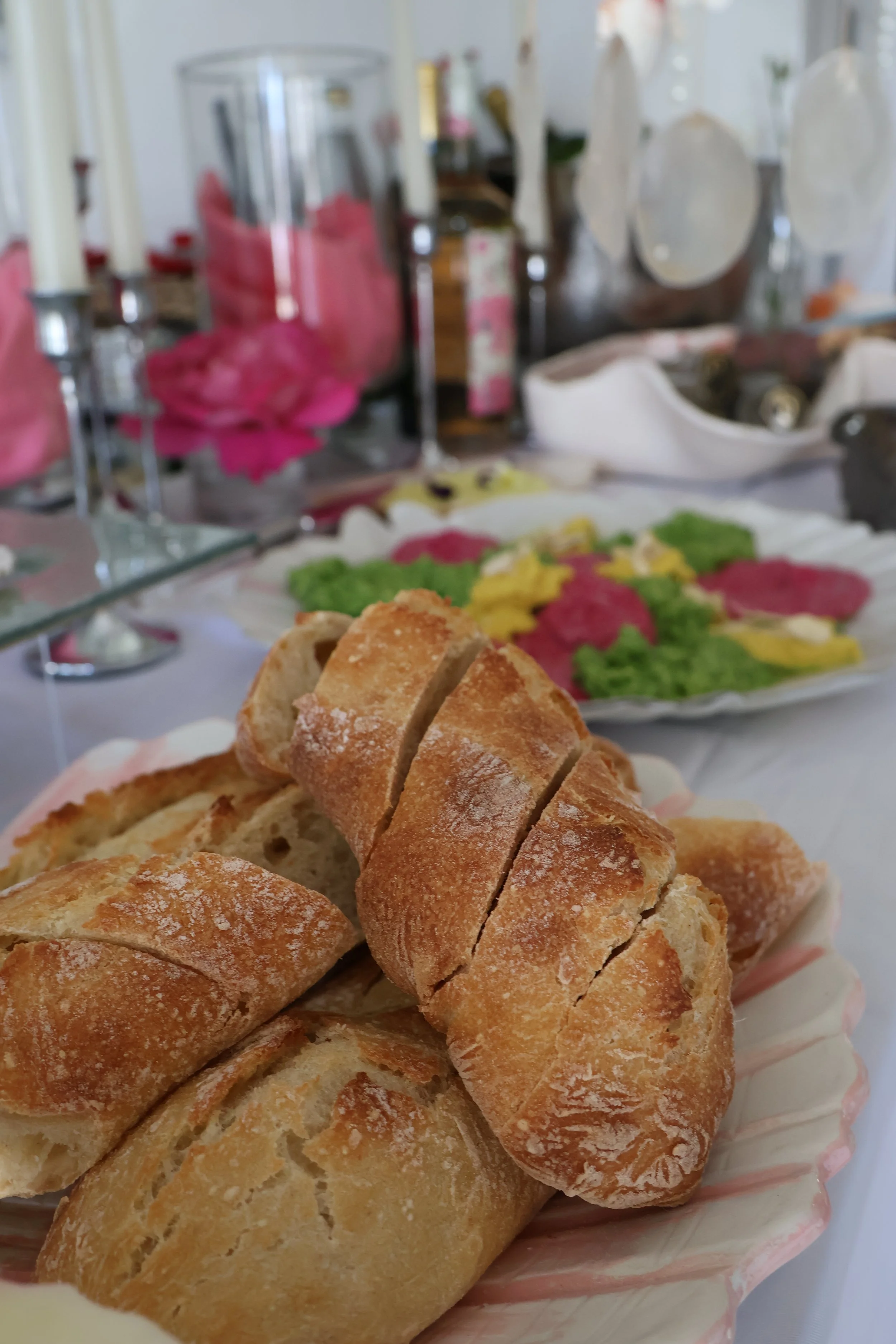
tell me more about this dish
There’s something about a baguette that quietly steals the entire table.
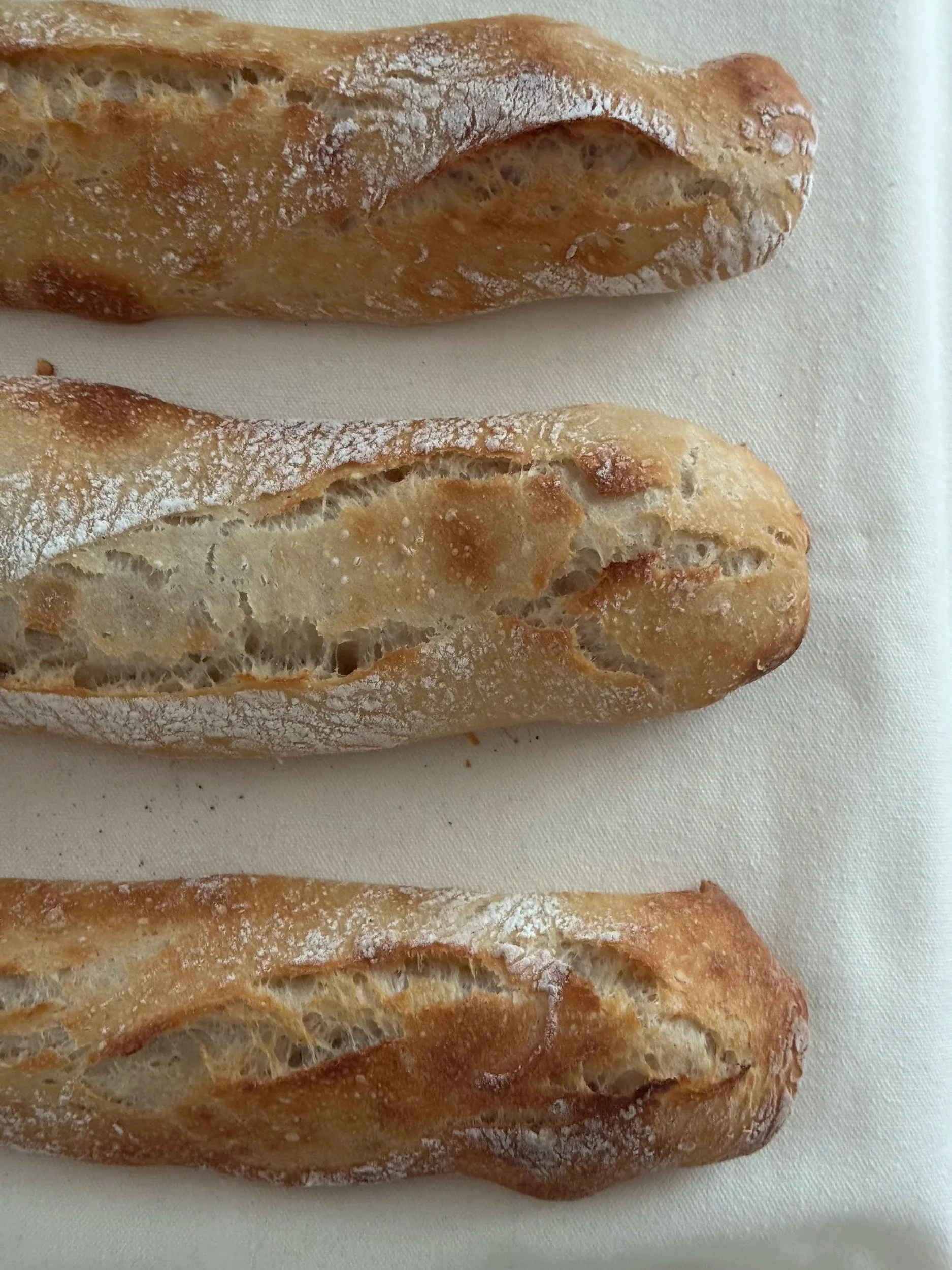
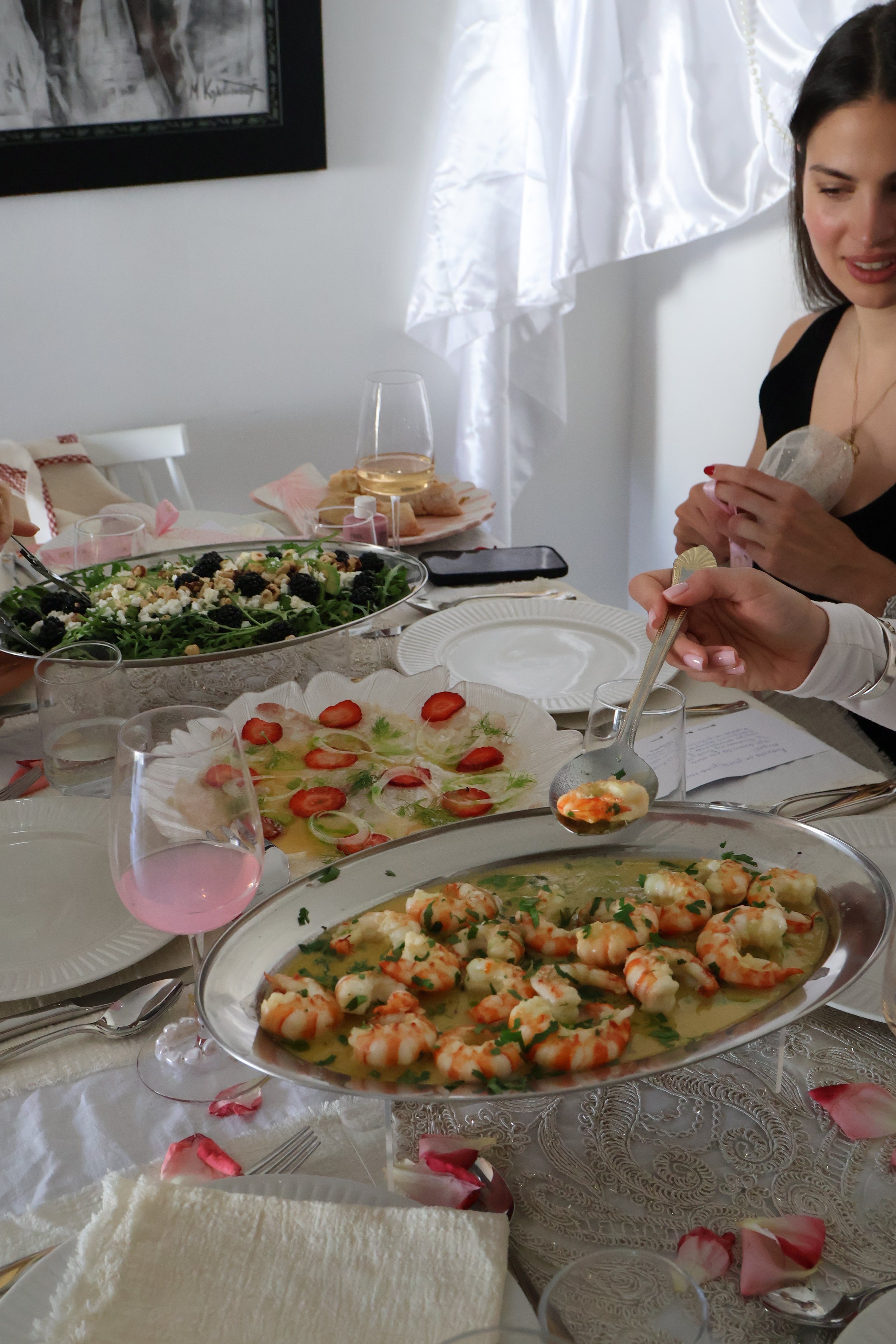
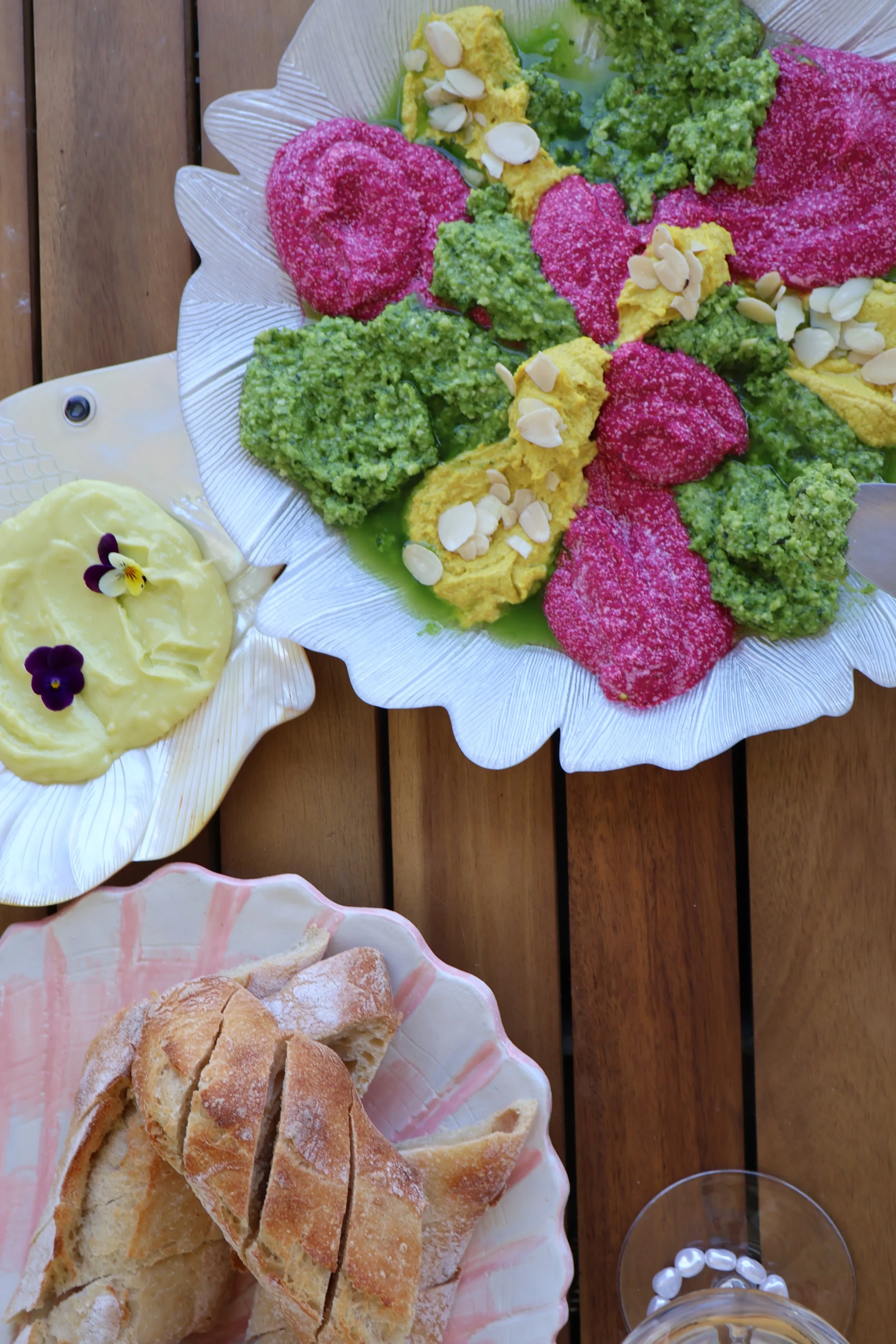
You can have five dishes, three sauces, and a beautiful spread… and people will still ask about the bread. This one? It delivers that shatteringly crisp crust and airy, slightly tangy crumb.
Why You’ll Love This Recipe
That crackly, golden crust (yes, the one that sings when you press it)
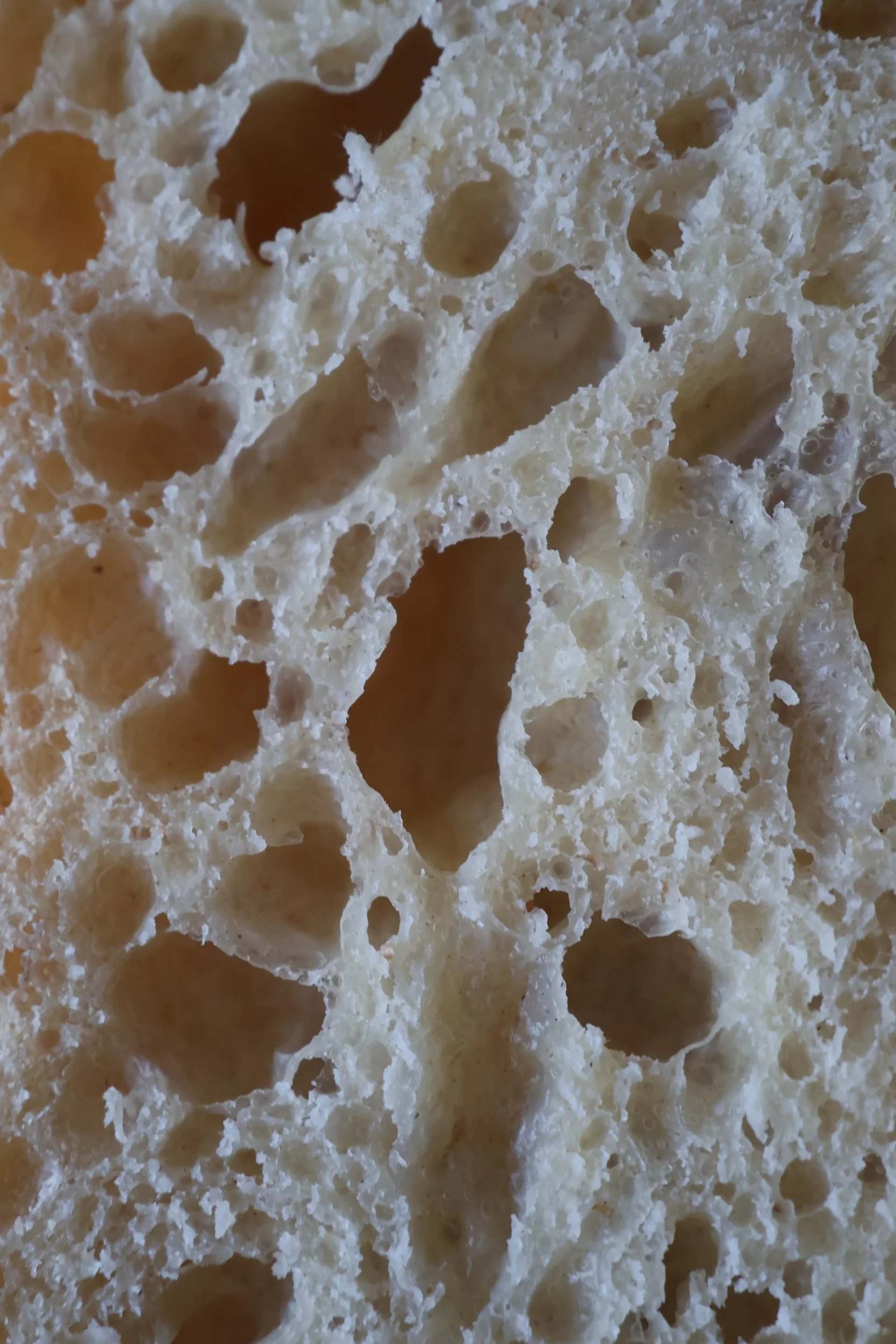
Open, airy crumb without complicated shaping tricks
Make-ahead friendly → ideal for hosting
Uses simple ingredients, but tastes deeply developed
Works in a simple home oven
Scales beautifully for dinner parties
The Flavor Logic
This is simple dough—but it’s doing a lot behind the scenes:
Salt sharpens structure and enhances that deep wheat flavor
Fermentation (acid) adds subtle tang and improves digestibility
Hydration (~75%) gives you that open, airy crumb
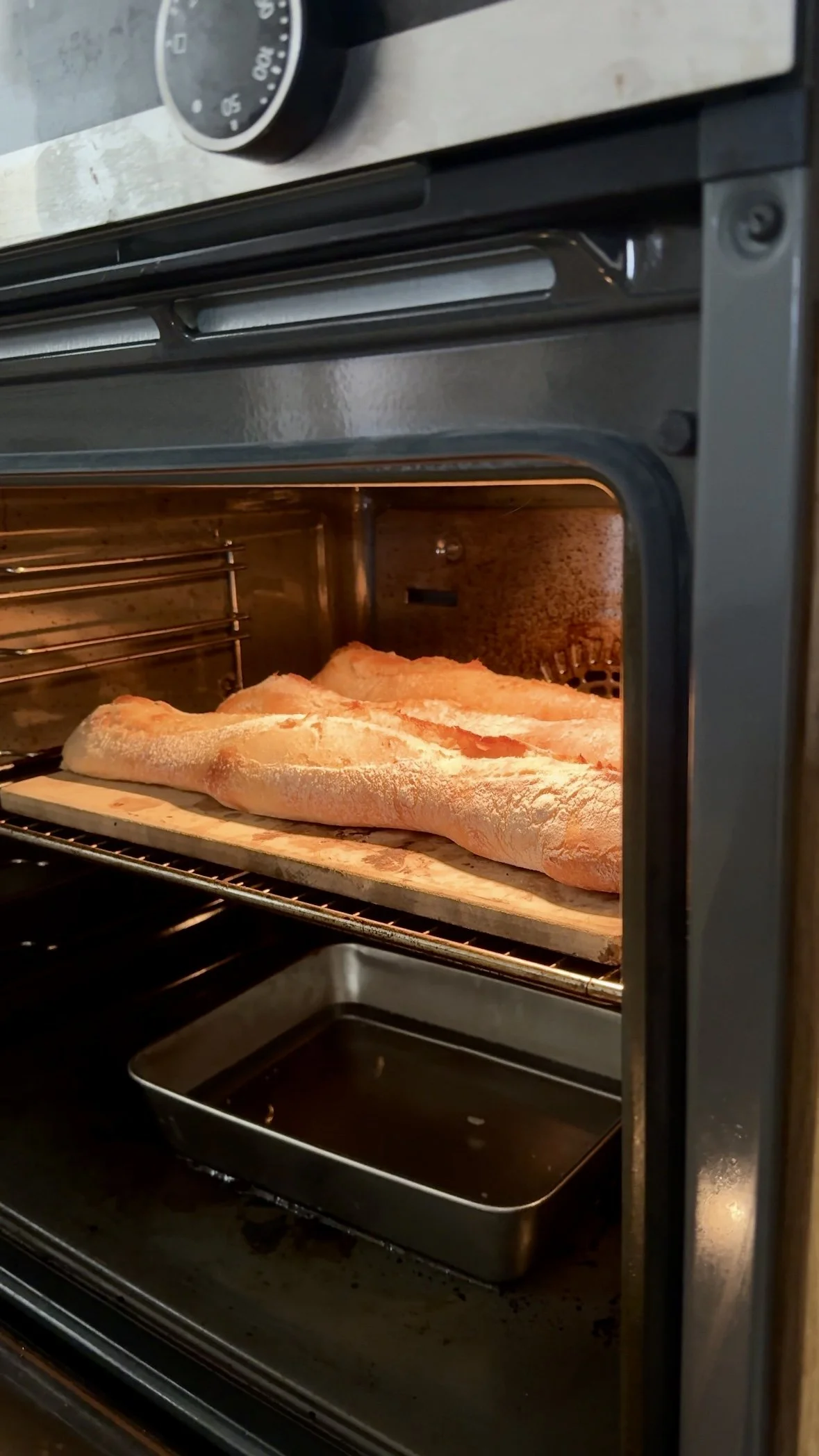
High heat + steam = dramatic oven spring + crisp crust
Final taste test:
You’re looking for: lightly tangy, slightly sweet, deeply wheaty.
If it tastes flat → next time increase salt slightly or extend fermentation.
If too sour → shorten cold ferment or use a younger starter.
Timeline - at a glance
Yield: 3 baguettes (serves ~6–8)
Active time: 45–60 minutes
Rest / fermentation: 16–24 hours (temperature dependent)
Bake time: 22–26 minutes per batch
Total time: ~18–26 hours
Make-ahead friendly? Yes—designed for overnight fermentation
Best served: Same day, slightly warm
Schedule options:
Plan A (Same-day → Overnight bake):
Mix 10:00 → Bulk 10:30–15:00 → Fridge overnight → Bake next morning
Plan B (Overnight ferment → Same-day bake):
Mix 20:00 → Bulk 20:30–00:30 → Fridge overnight → Bake next afternoon
Key checkpoints:
Bulk ends at ~60–70% rise (not doubled)
Dough jiggles slightly with visible bubbles
Proof passes gentle poke test (slow spring-back)
Bake to deep golden brown + hollow sound
Optional AKS Upgrades
Brush lightly with olive oil + flaky salt right out of the oven
Serve with lemon zest herb butter (instant upgrade)
Rub warm crust with a cut garlic clove for subtle aroma
Add sesame before baking for texture
Ingredients (3 Baguettes)
Main Dough
500 g bread flour (12–13% protein)
375 ml water (room temp; hold back 25 ml)
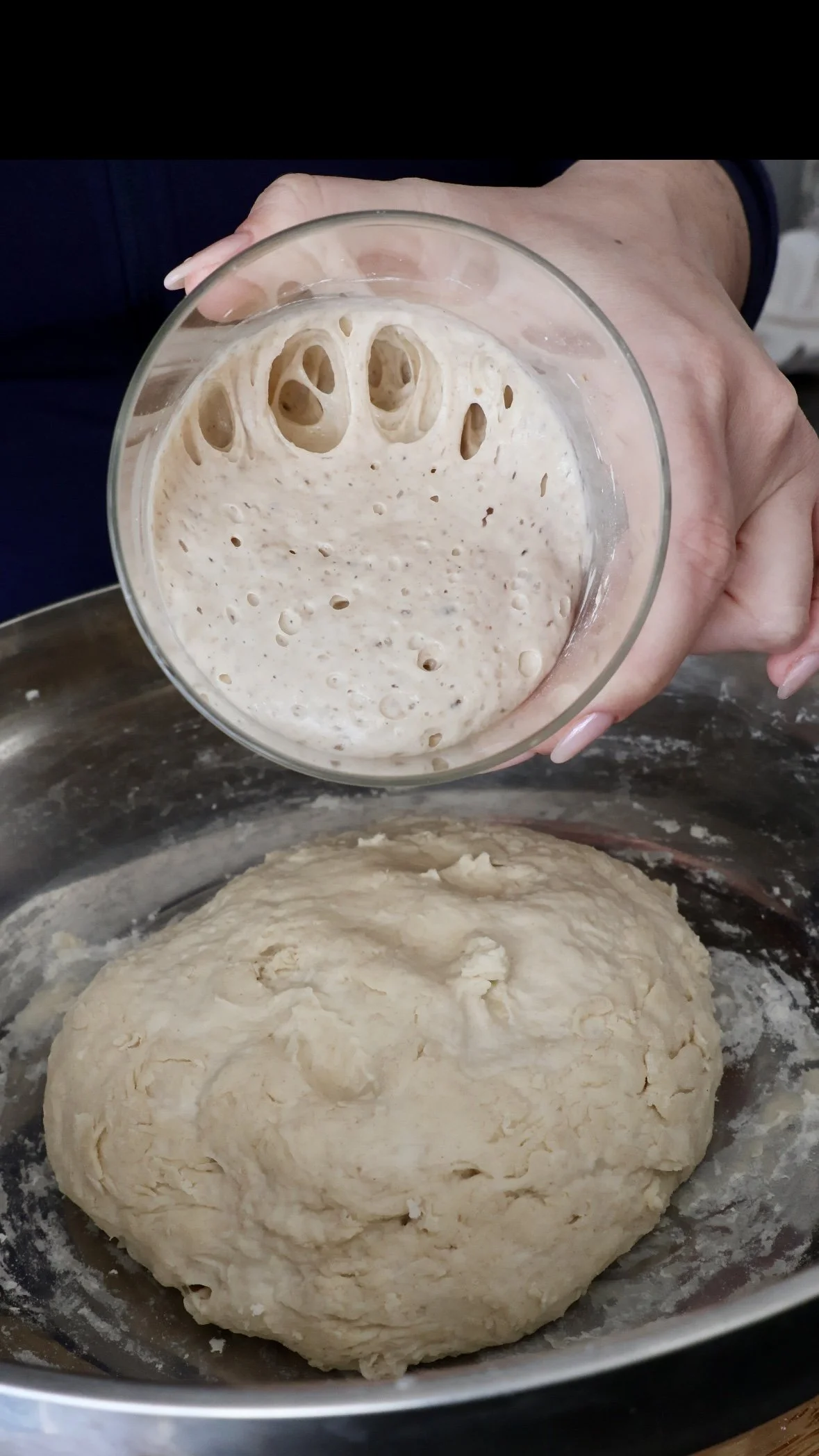
100 g active sourdough starter (doubled, bubbly, not collapsed)
10 g fine sea salt
For Baking
Rice flour or semolina or Bread flour (for dusting)
Ice cubes (for steam)
Equipment You’ll Need
Mixing bowl (large enough for expansion)
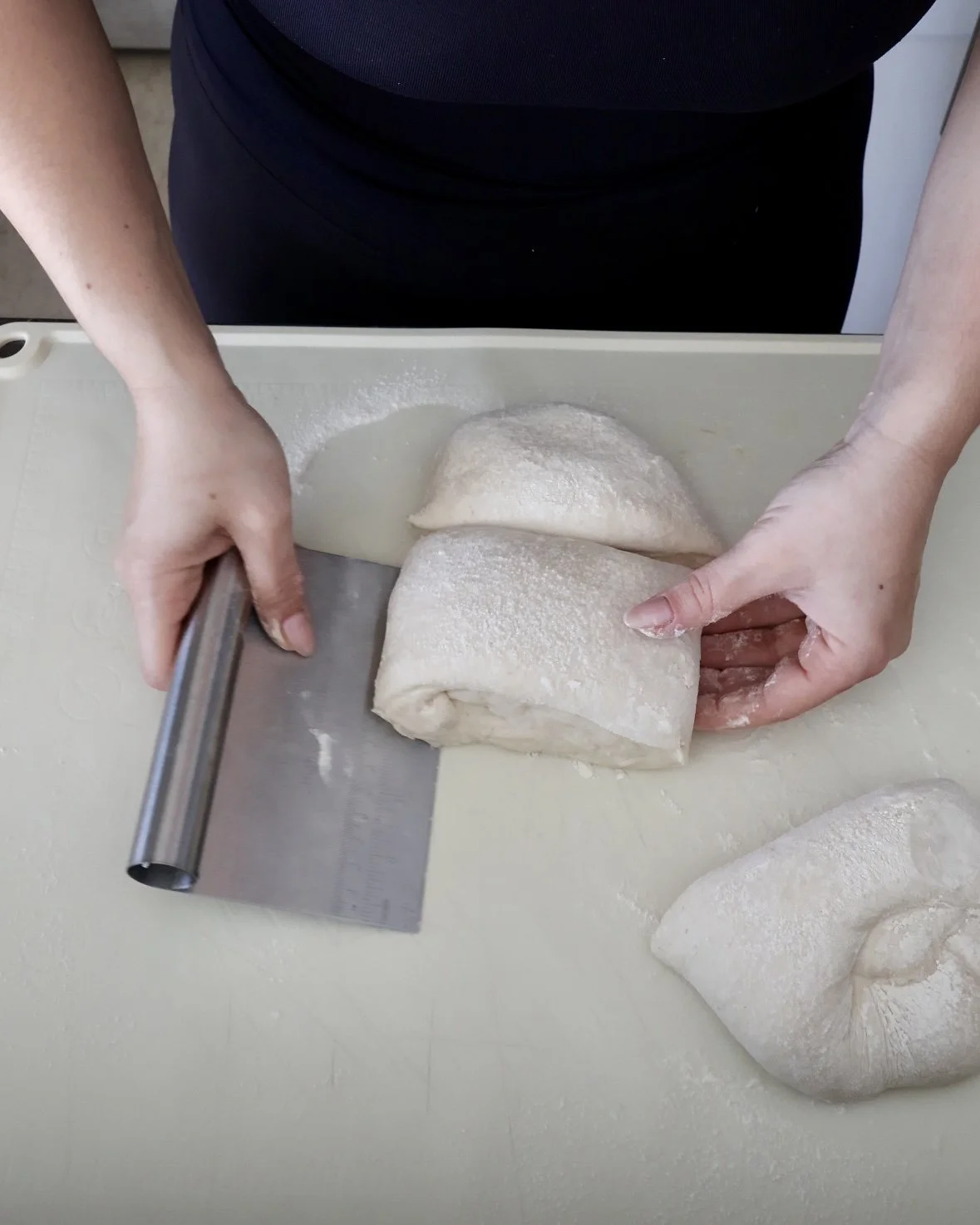
Bench scraper (helps with gentle handling)
Baking tray or stone
Metal tray for steam (essential for crust)
Razor or sharp knife (for scoring)
How to Make It
1. Autolyse (Build structure early)
Mix flour + 350 ml water until no dry spots remain. Rest 45–60 minutes.
Why it matters: Hydrates flour fully → easier gluten development later.
Look for: Soft, slightly elastic dough (not sticky paste)
2. Add Starter + Salt
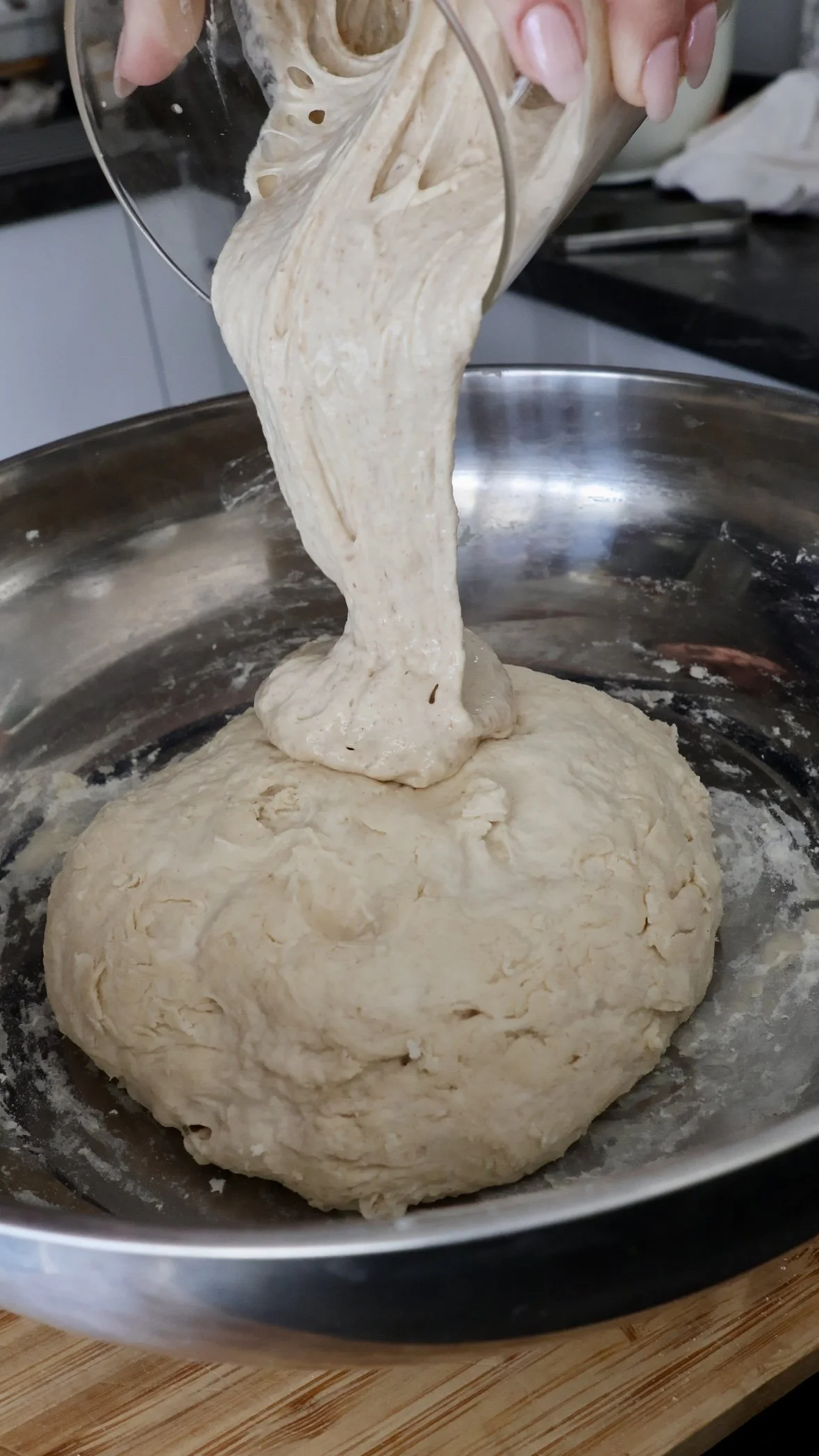
Add starter, salt, and remaining 25 ml water.
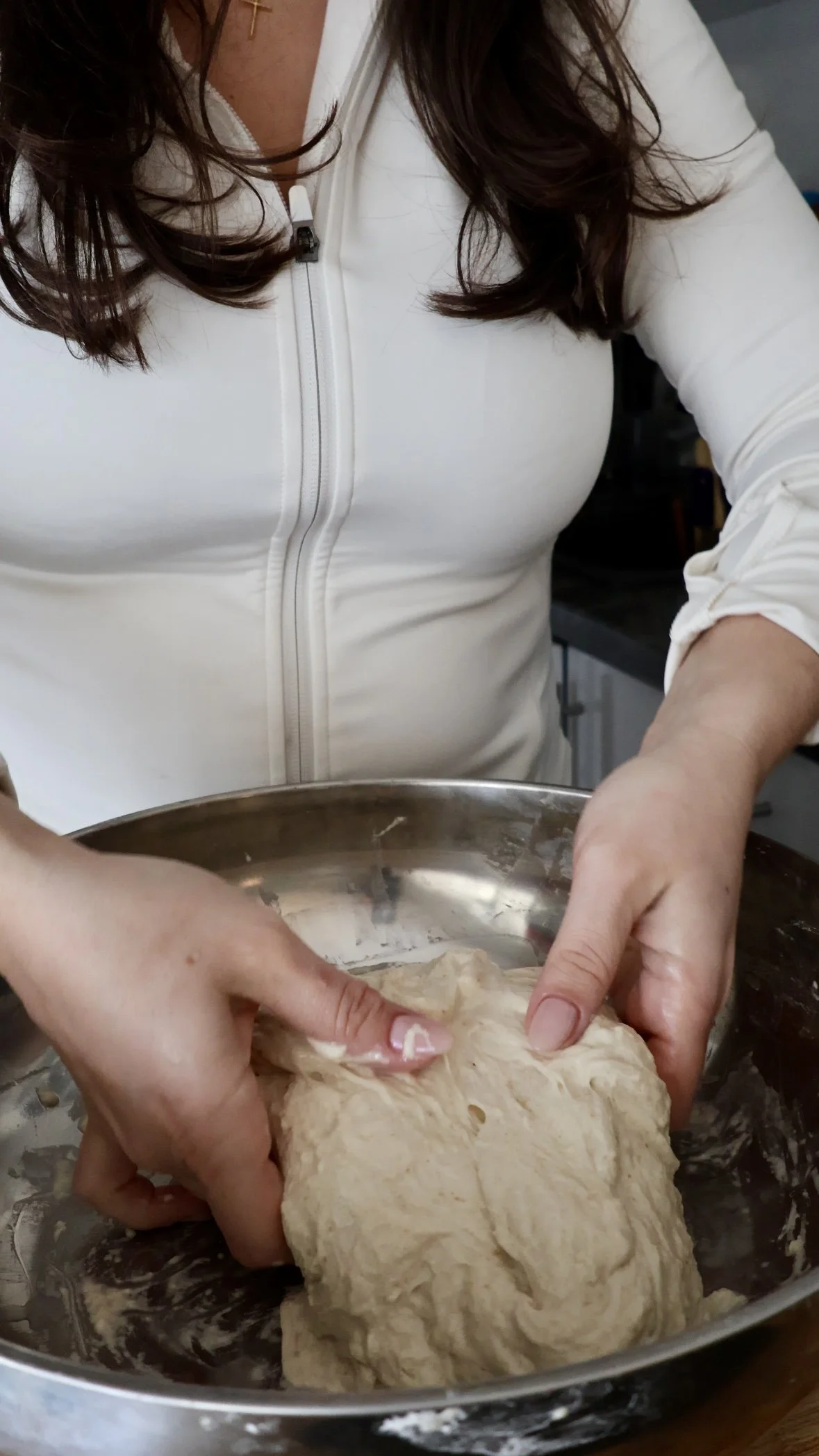
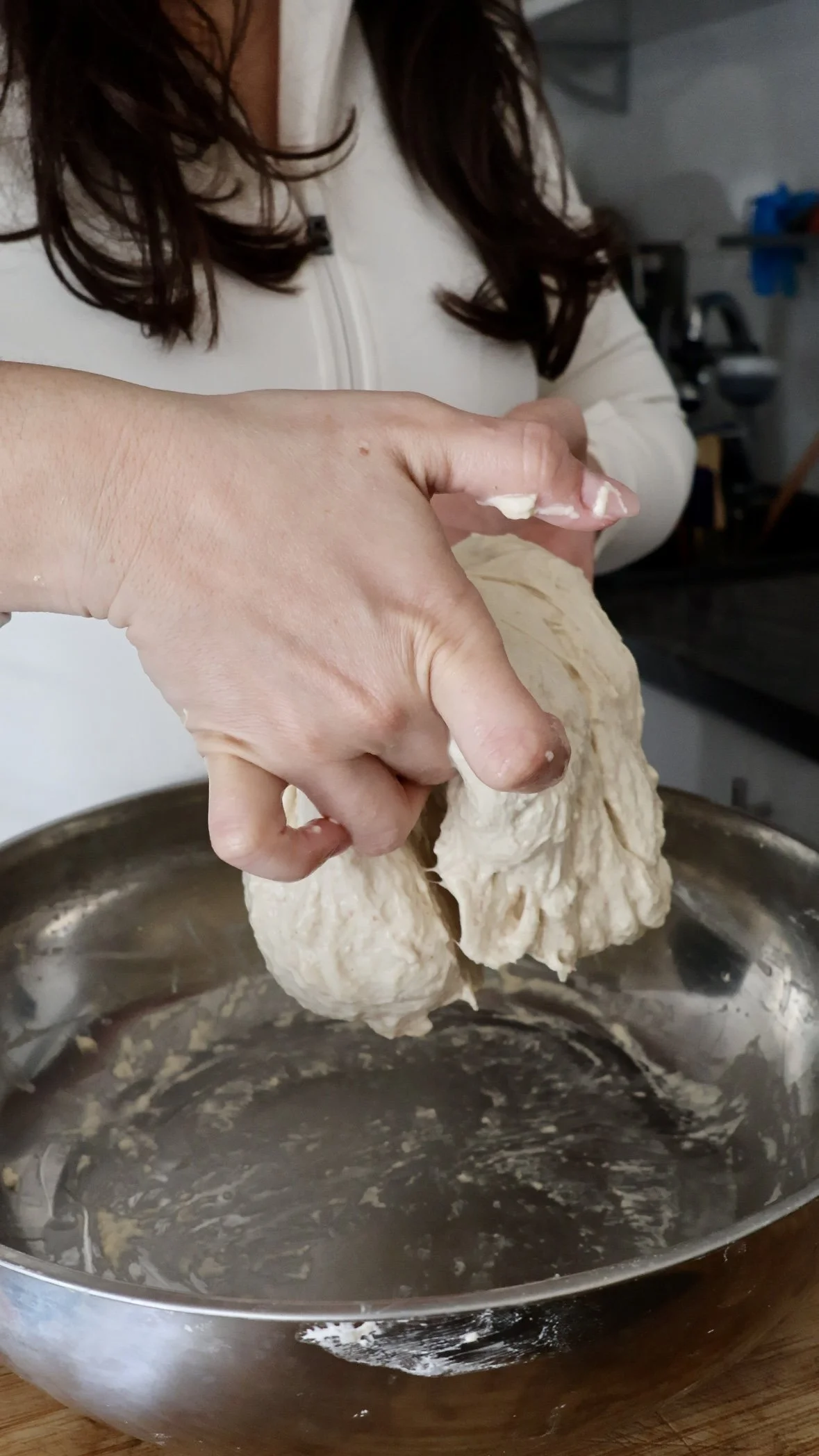
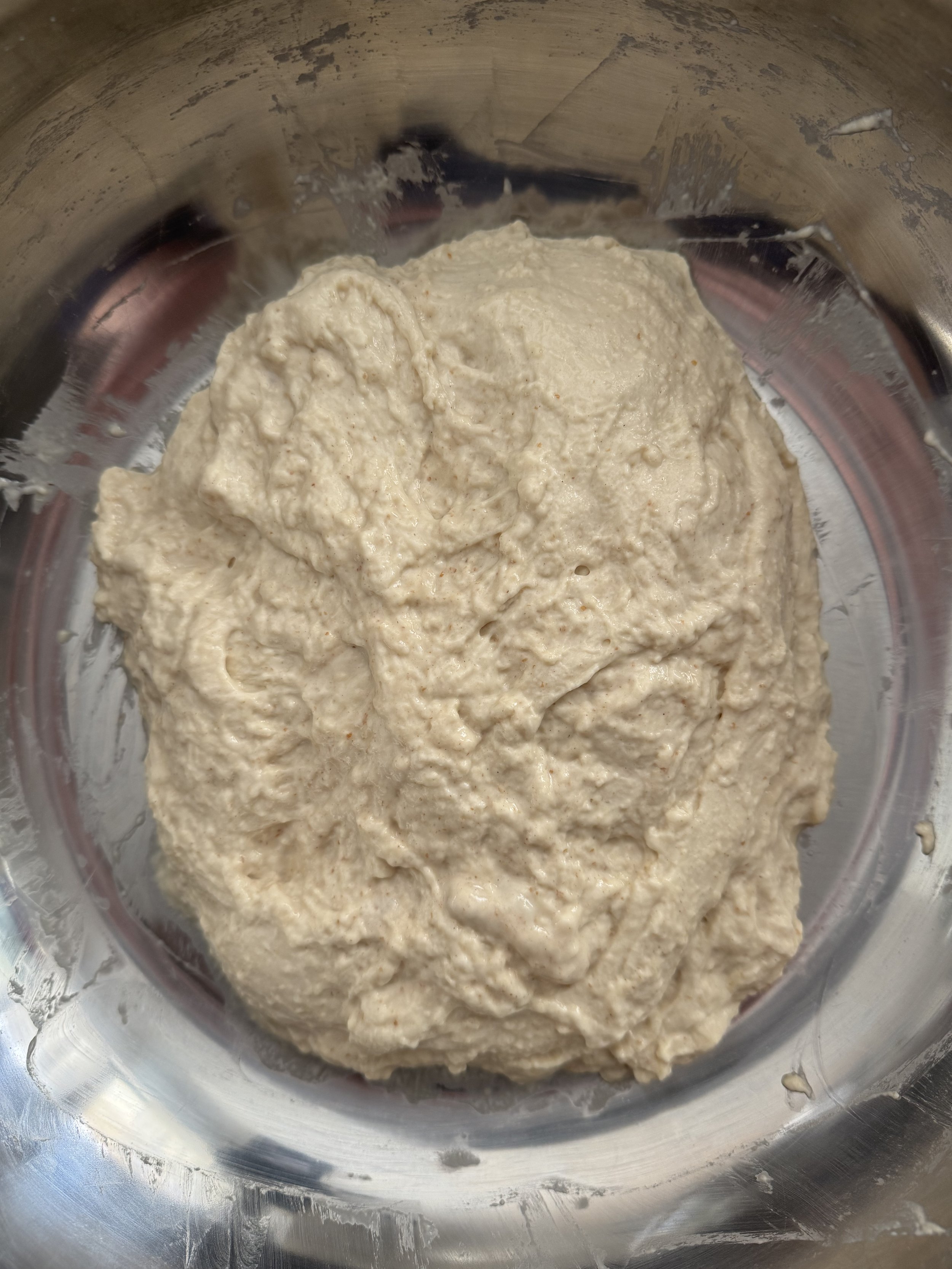
Squeeze and fold 3–5 minutes to fully incorporate salt and starter with the rest of your dough.
Why it matters: Even distribution ensures consistent fermentation.
Look for: Smoother, cohesive dough
Common mistake: Not fully incorporating starter
If it happens: Keep folding until no streaks remain
Starter strength note:
Your starter should double within 4–6 hours. If sluggish → your dough will struggle.
3. Bulk Fermentation (4–6 hours)
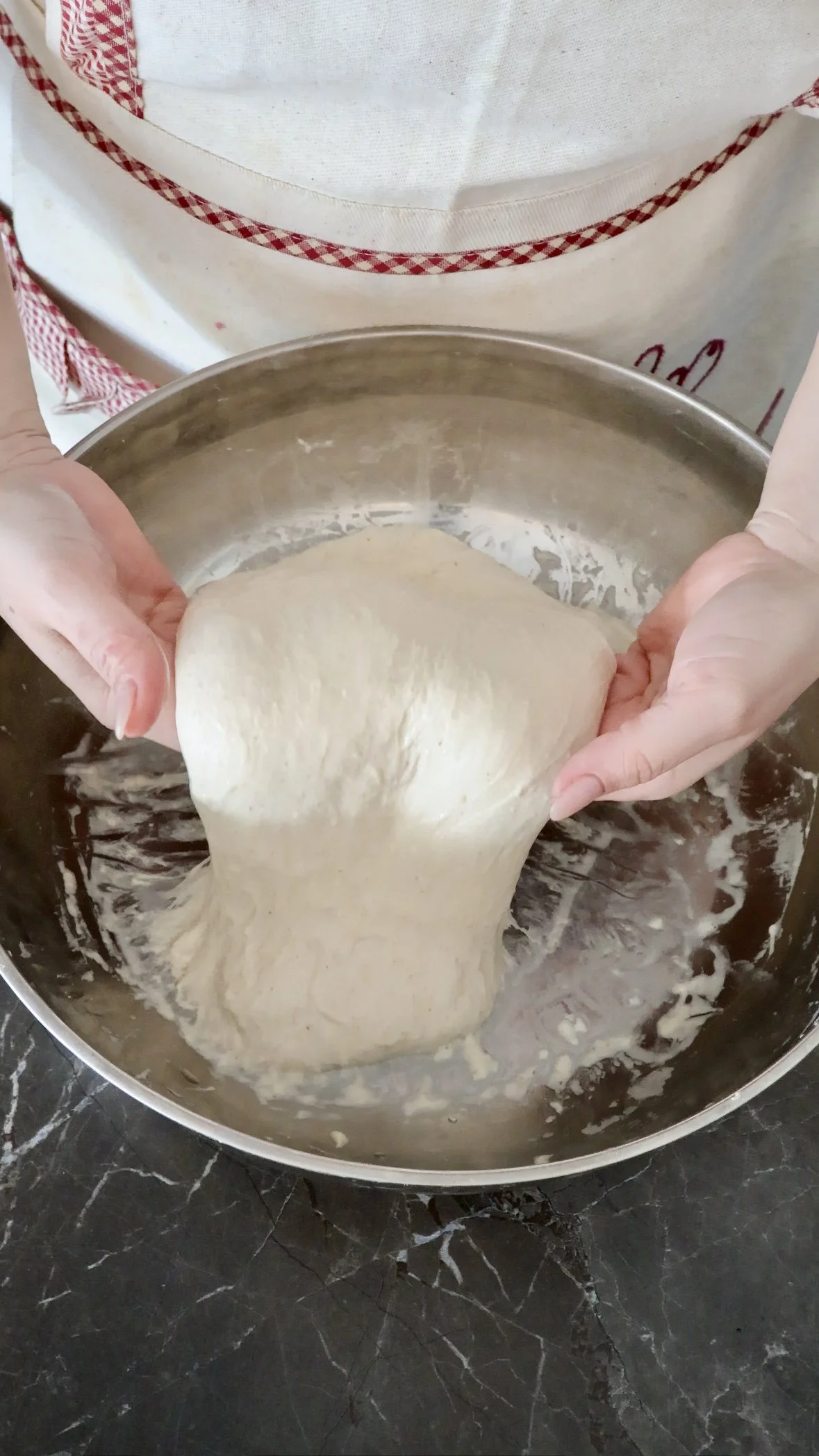
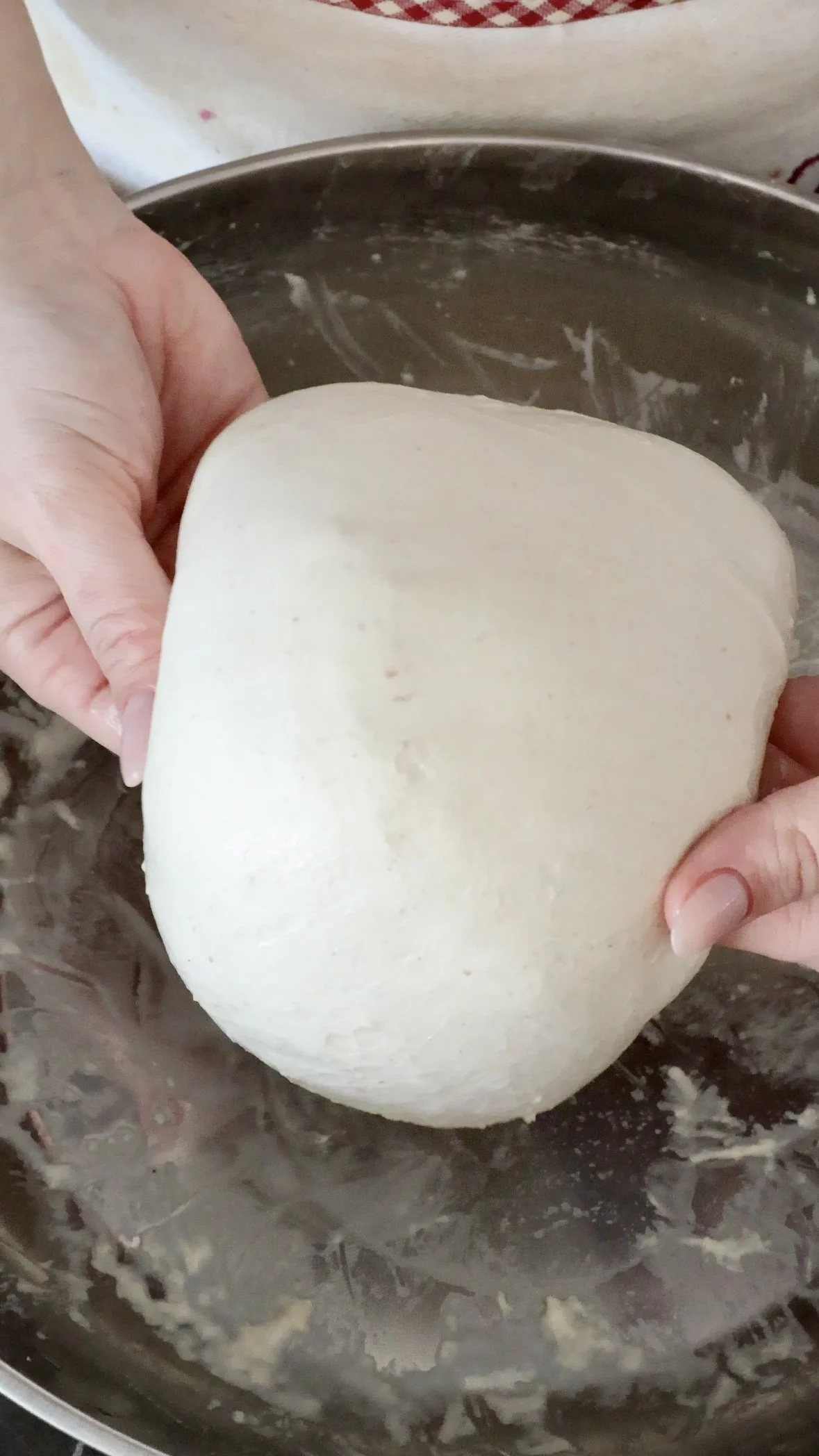
Perform 4 stretch & folds every 30 minutes, then rest until 60–70% rise
(100% Rise = Doubled dough, so you want your dough less than doubled)
Why it matters: Builds structure and traps gas for that airy crumb.
Look for: Slight dome, few bubbles, gentle jiggle
Common mistake: Waiting for full doubling (too much)
If it happens: Move to shaping earlier next time
Fermentation checkpoint:
Dough should feel alive—slightly bouncy, not dense.
Temperature logic:
Warmer kitchen → faster rise
Cooler kitchen → add 1–2 hours
4. Cold Ferment (Overnight)
Refrigerate 12–18 hours.
Why it matters: Develops flavor, improves dough strength and cold dough is much easier to shape.
Look for: Slightly risen, firmer dough
Common mistake: Skipping this step
If it happens: Expect less flavor + weaker shaping
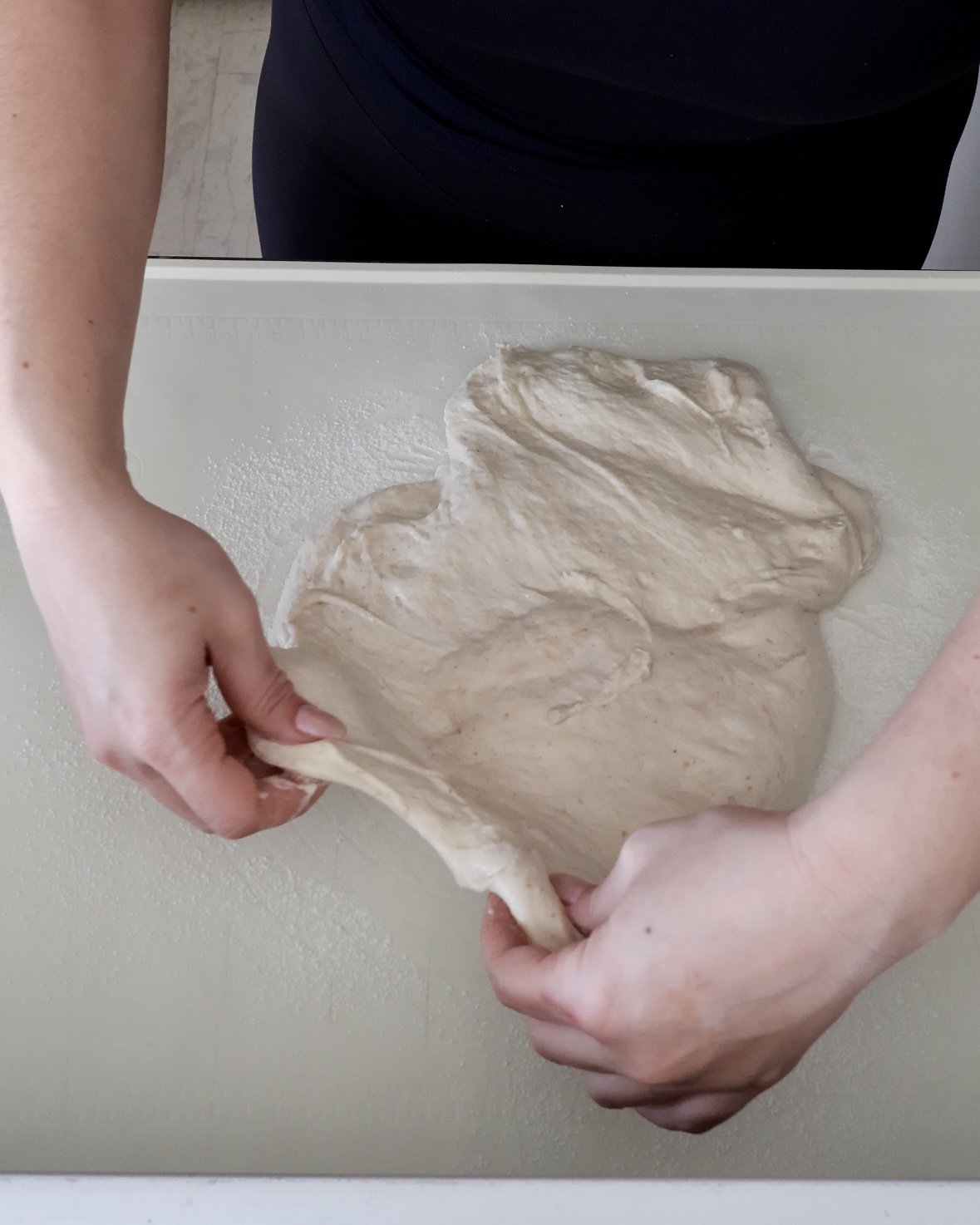
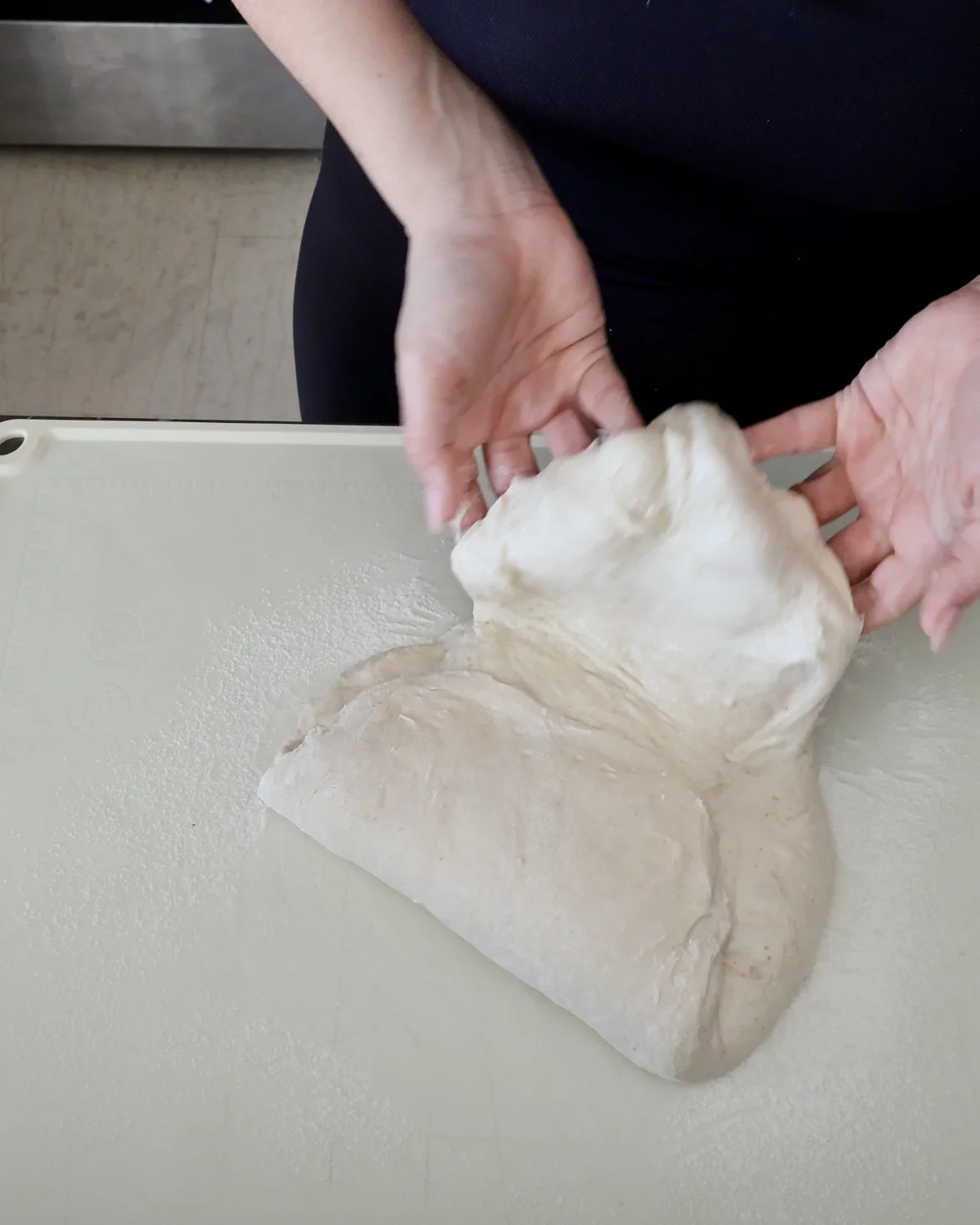
5. Divide & Pre-Shape
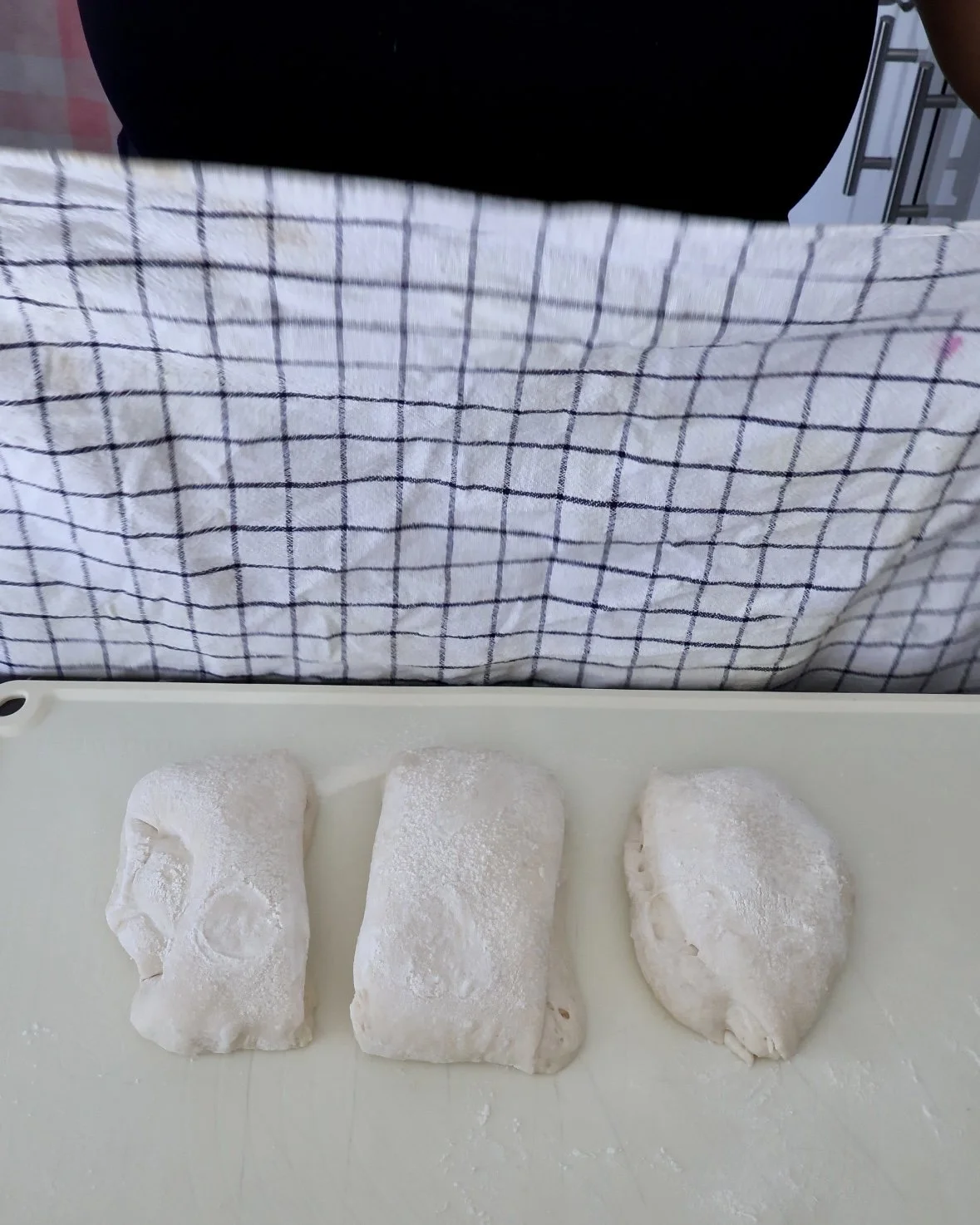
Divide into 3 equal pieces. Shape loosely into logs: Flatten → fold like a letter → roll into loose log
Rest 20–30 minutes.
Why it matters: Allows gluten to relax before final shaping.
Look for: Dough spreads slightly, relaxes
Common mistake: Tight shaping too early
If it happens: Dough will resist final shaping
6. Final Shaping
Our goal is to trap the air and create tension.
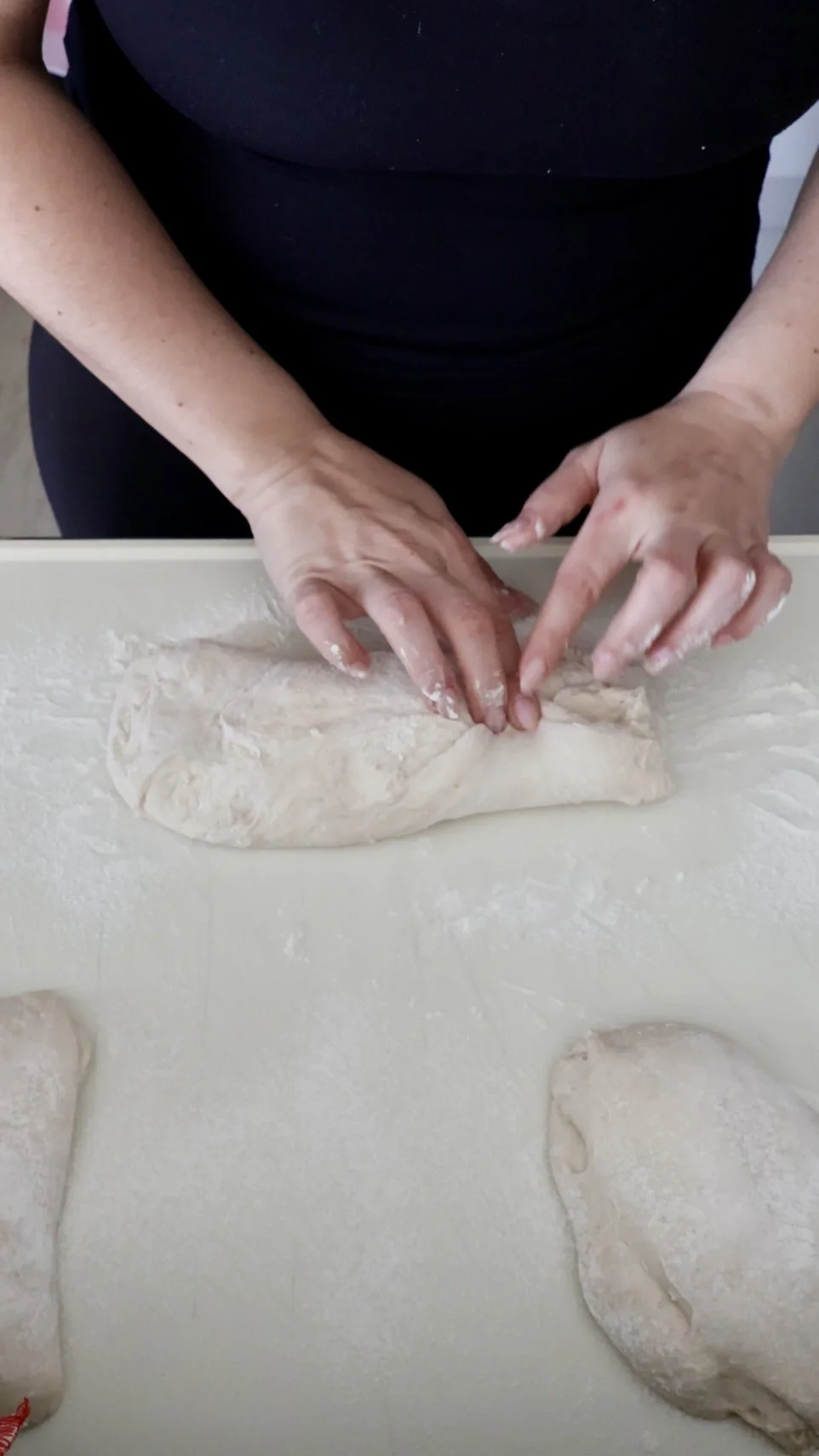
Create the first fold
Take little sections along the top half of the dough and pinch them down toward the center seam, working your way across the length. Think small folds rather than one giant flap.Rotate and repeat
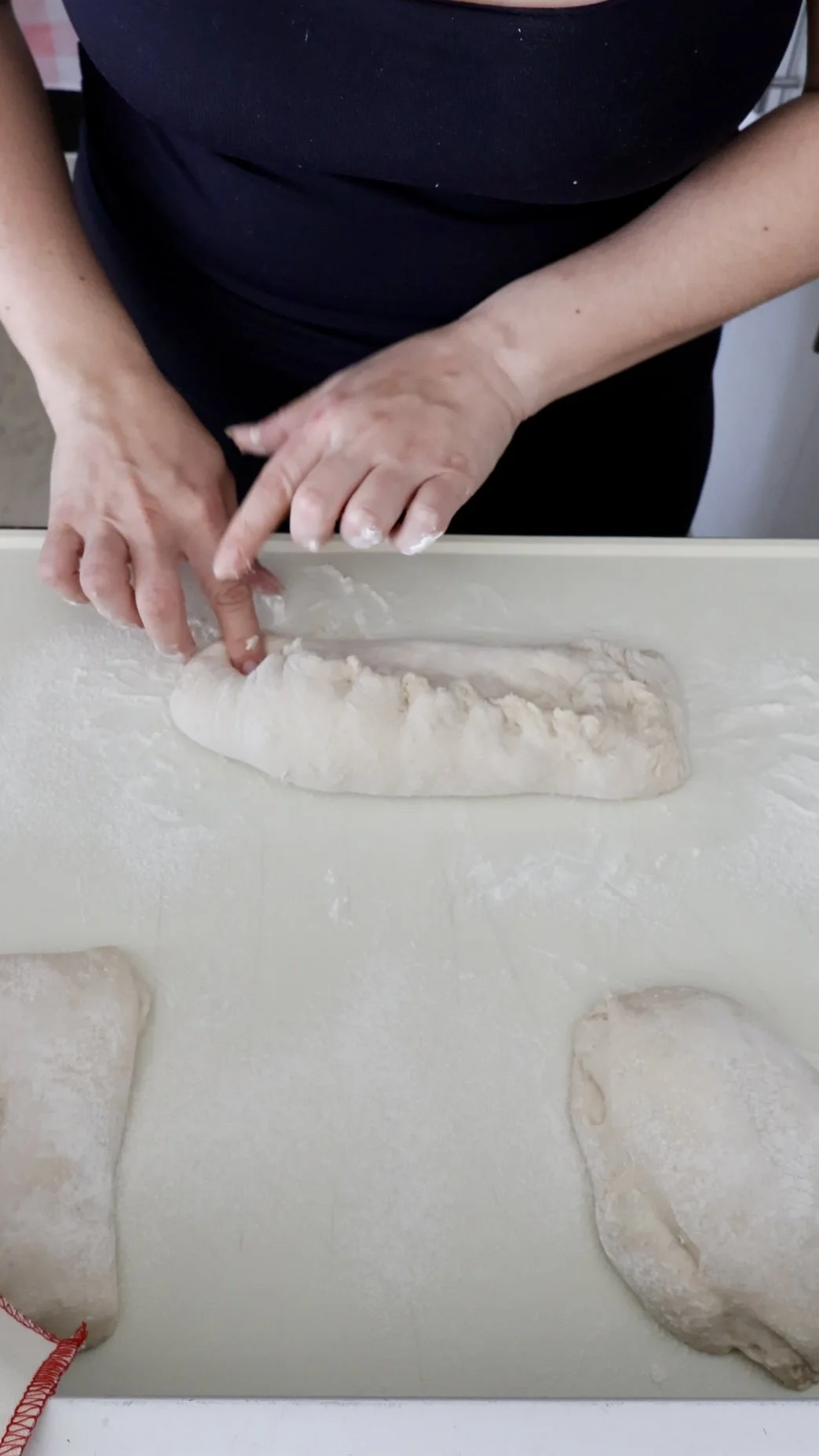
Turn the dough so the bottom edge is now facing up. Repeat the exact same motion: pinch small sections of the new top half toward the middle.Create the final seam
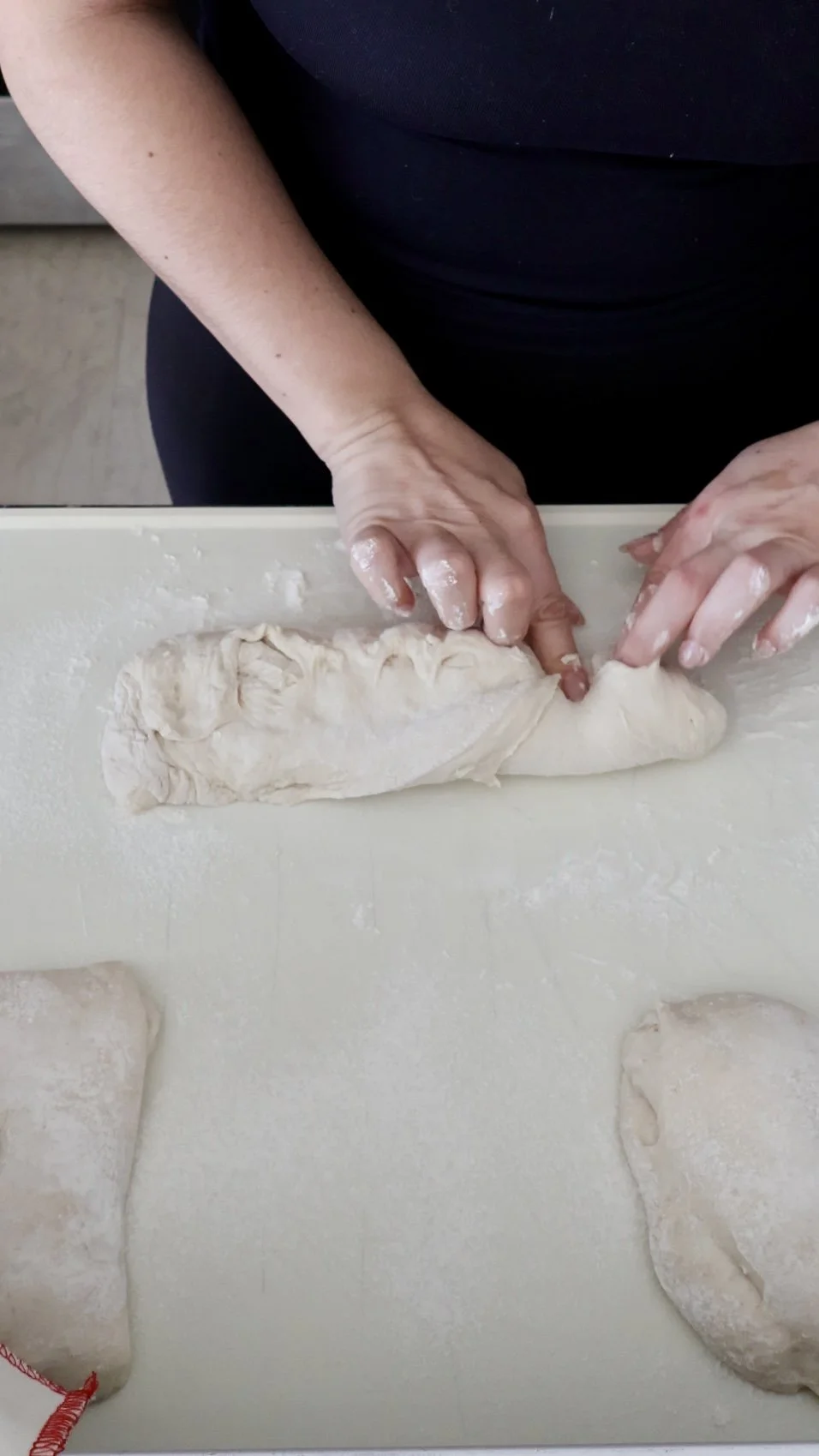
Now bring both long sides together, pinching them firmly so they cross slightly over one another and create a tight seam running the full length of the dough.Roll into baguette shape
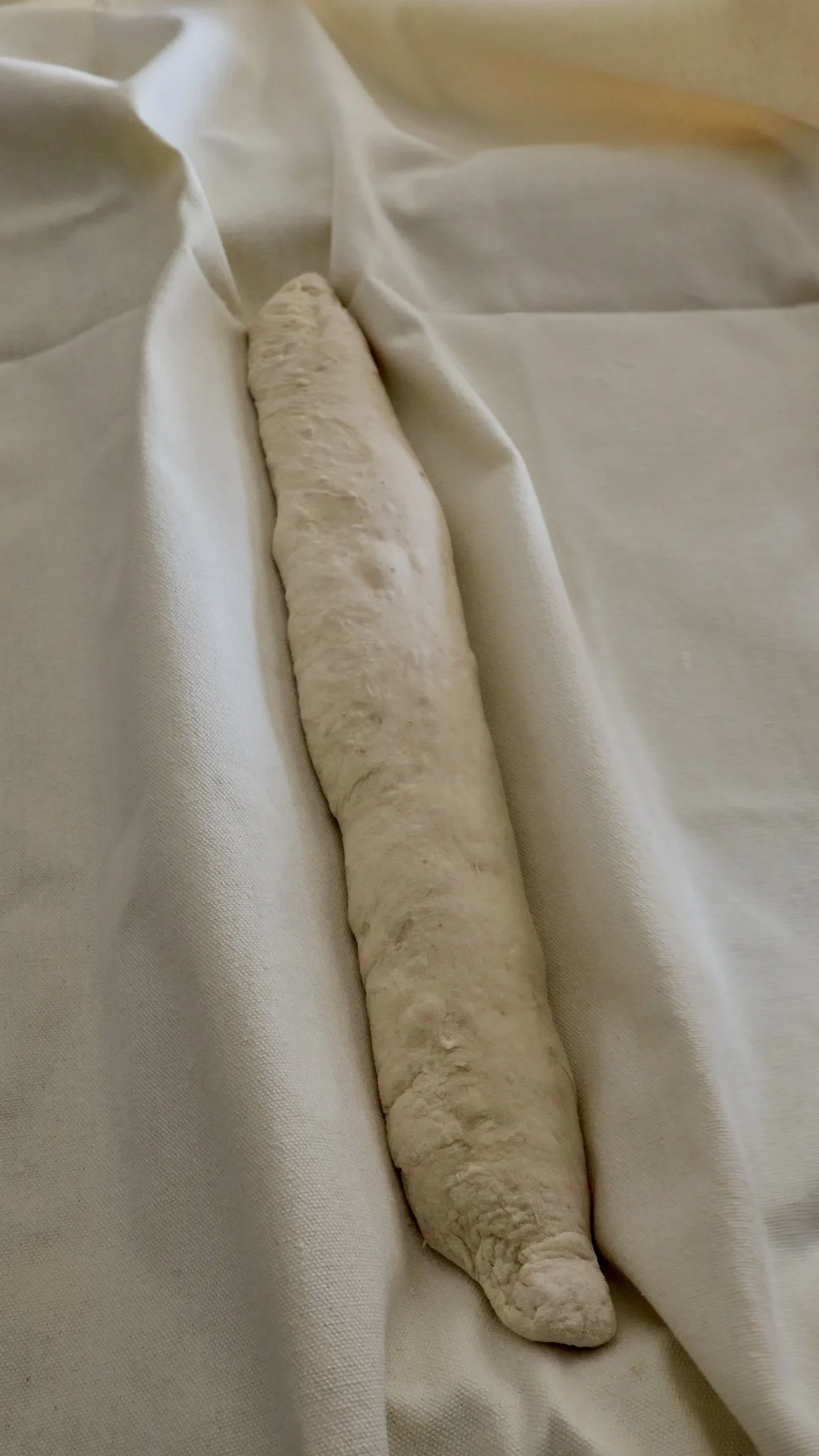
Flip so the seam is underneath. Dust lightly if needed, then gently roll the dough back and forth with your hands, starting from the center and moving outward, until you reach your desired baguette length (about 30–35 cm, depending on your tray).Shape the ends
Lightly taper the ends by applying slightly more pressure with your fingertips as you roll—just enough to create that classic baguette silhouette.
Why it matters:
This shaping creates tension on the outer surface, which helps the baguette rise upward instead of spreading sideways.
Look for: Smooth outer surface, tight seam, dough that feels airy but structured
Common mistake: Pressing too hard and knocking out all the fermentation gas
If it happens: Don’t panic—continue shaping gently; the crumb may just be a little tighter
Shaping checkpoint:
A properly shaped baguette should feel light and slightly puffy, not dense like modeling clay.
7. Final Proof (15 - 45 min)
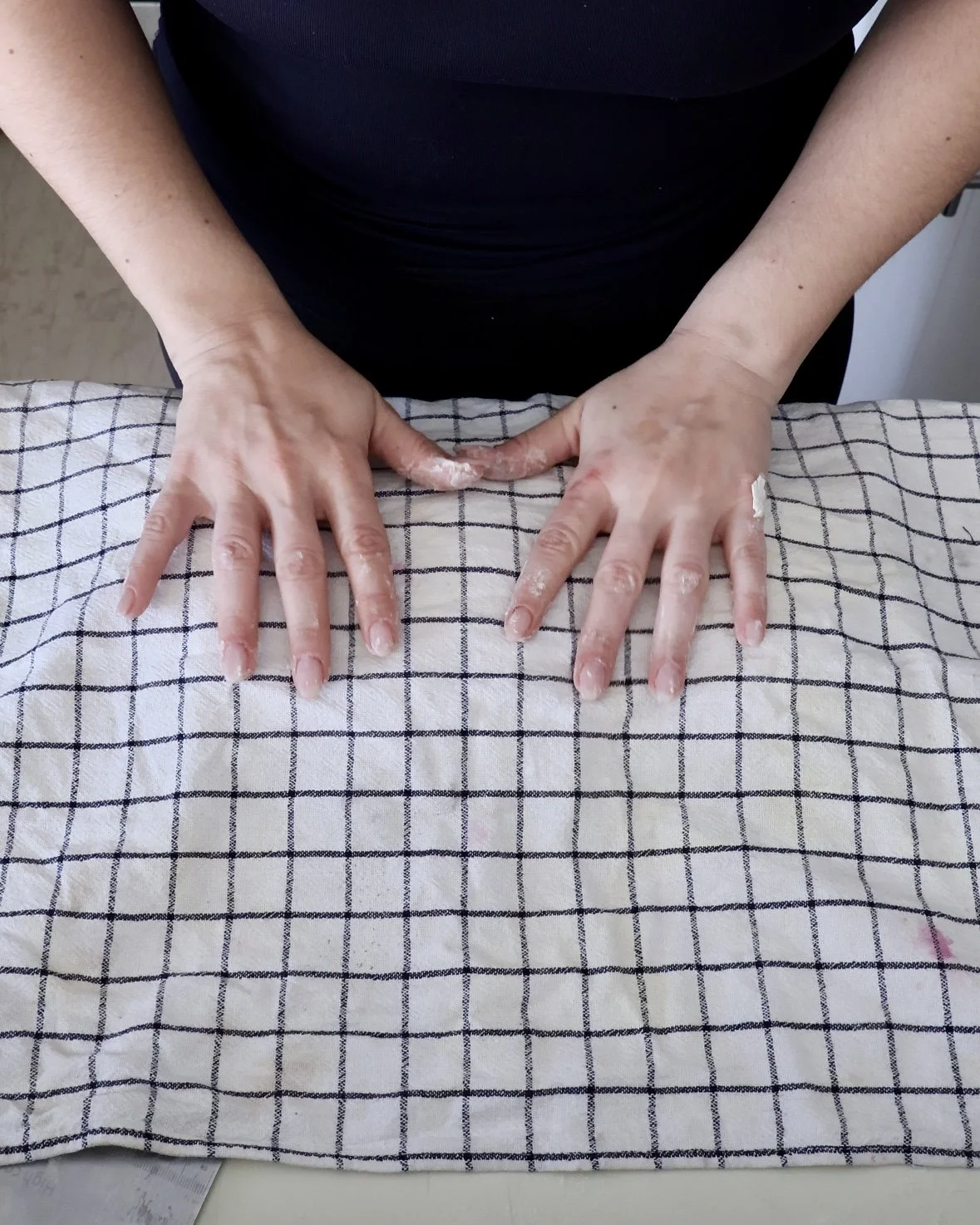
Proof seam-side up on floured cloth. If you think your dough is already over proofed, skip this step and go straight to baking.
Why it matters: Final gas expansion before baking.
Look for: Slight puff, soft feel
Common mistake: Overproofing
If it happens: Dough collapses when scored
Proofing checkpoint (poke test):
Press lightly → dough springs back slowly but not fully.
8. Preheat Oven
Preheat to 240°C for 30–45 minutes with tray inside.
Why it matters: Heat = oven spring + crust formation.
9. Score & Bake
Using a bread lame or very sharp razor, make 3–5 quick diagonal slashes along the length of each baguette.
Hold the blade at roughly a 30–45° angle (not straight up and down)
Each slash should be about 1–1.5 cm deep
Slightly overlap the cuts rather than spacing them too far apart—this helps create that classic baguette “ear” and controlled expansion
Use quick, confident motions—hesitation tends to drag the dough rather than slice it.
Why it matters:
Scoring gives the dough a designated escape route for expansion. Without it, the baguette will split wherever it feels like (usually in the least attractive place).
Look for: Clean cuts that open slightly immediately
Common mistake: Blade held vertically → random tearing instead of proper bloom
If it happens: Bake anyway—rustic is still delicious
Quick tip:
If your blade sticks, the dough may be slightly over-proofed or your blade may need replacing. A tiny dusting of flour on the surface can also help.
Then proceed with baking at:
240°C for 10 min (with steam, throw some ice cubes onto the bottom of your oven)
Then 220°C for 12–16 min
Why it matters: Steam keeps crust flexible → better rise.
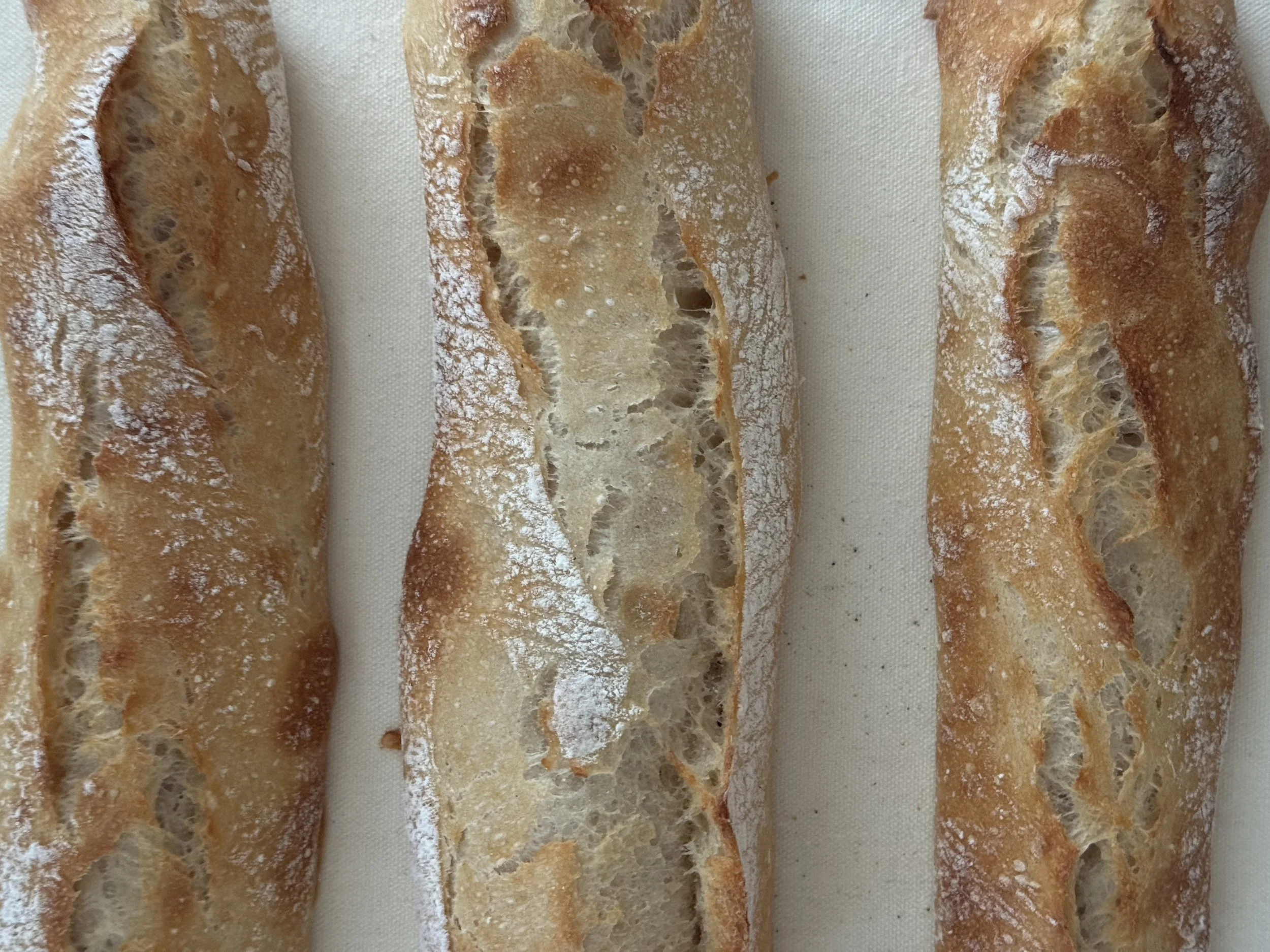
Look for: Deep golden color, crisp crust
10. Cool (Critical)
Cool 45–60 minutes minimum.
Why it matters: Interior finishes setting.
Look for: Audible crackling crust
Common mistake: Cutting early
If it happens: Gummy crumb
Tips & Troubleshooting
-
Under-fermented → Let bulk rise go longer → Watch physical rise, not clock
-
Weak shaping → Build more tension → Practice tighter rolling
-
Dough may be over- proofed or have High hydration → Use wet hands → Don’t add excess flour
QUick Saves
Dough sluggish? Move to warmer spot
Overproofed? Bake immediately + score shallow
Underproofed? Just give it more time.
Don’t panic, this is normal:
Dough feels sticky → correct for high hydration, just make sure your hands are always wet.
Slight uneven holes → rustic crumb is expected
Crust crackling after bake → perfect sign
Reading Your Dough
Under-fermented: tight, dense, resists shaping → extend bulk
Properly fermented: airy, jiggly, elastic → proceed
Over-fermented: very soft, collapsing → shorten next time
Substitutions & Variations
Swap 10–15% flour for whole wheat (nuttier flavor)
Add sesame or nigella seeds
Make mini baguettes for hosting
Brush with olive oil + oregano
Add roasted garlic paste, fresh herbs or cheese to your dough
Use commercial yeast (tiny amount) → reduces fermentation time significantly

Storage
Fridge: Not recommended (dries out)
Room temp: 24 hours, loosely wrapped in paper bag (not plastic!)
Freezer: Up to 1 month (slice first)
Reheat:
180°C oven, 8–10 min
Light mist of water → restores crust
Make-ahead plan:
Do full dough day before → bake fresh before serving
Estimated Nutrition (per 2 generous slices)
Calories: ~160 kcal
Protein: ~5 g
Carbohydrates: ~33 g
Fat: ~1 g
Fiber: ~1–2 g
Nutrition is an estimate and will vary slightly depending on slice thickness and flour brand.
AKS RECIPE CARD
Crispy Sourdough Baguettes
Bakery-style sourdough baguettes with a crackly crust, airy crumb, and a very home-kitchen-friendly method.
Ingredients
Main Dough
- 500 g bread flour, 12–13% protein
- 375 ml water, divided
- 100 g active sourdough starter, 100% hydration
- 10 g fine sea salt
For Baking
- Rice flour or semolina, for dusting
- Ice cubes, for steam
Optional / To Serve
- Olive oil + flaky salt
- Lemon zest herb butter
- Garlic clove, for rubbing warm crust
Method
- Mix flour with 350 ml water until no dry spots remain. Cover and autolyse 45–60 min; dough should feel soft and slightly elastic.
- Add starter, salt, and remaining 25 ml water. Squeeze and fold 3–5 min until smooth, sticky, and cohesive.
- Bulk ferment 4–5 hrs at room temp, doing 4 stretch-and-fold sets every 30 min. Continue until dough rises 60–70%, domes slightly, bubbles, and jiggles.
- Cover and cold ferment 12–18 hrs in the fridge for flavor, strength, and easier shaping.
- Turn onto a lightly floured surface. Divide into 3 pieces, pre-shape into loose logs, and rest 20–30 min until relaxed.
- Shape: gently flatten each piece, pinch small top segments to the middle, rotate, repeat, then pinch both long sides together to form a tight seam. Roll lightly to 30–35 cm, tapering the ends.
- Proof seam-side up on a floured towel 45–75 min, until slightly puffy and the poke test springs back slowly.
- Preheat oven to 250°C for 30–45 min with a metal steam tray inside.
- Flip baguettes seam-side down, score 3–5 quick diagonal slashes at a 30–45° angle, about 1–1.5 cm deep.
- Bake at 250°C for 10 min with ice in the steam tray, then remove tray, lower to 220°C, and bake 12–16 min more until deep golden, crisp, and hollow-sounding. Cool 45–60 min.
Quick Troubleshooting
- Dense crumb: Extend bulk next time; dough should rise 60–70% with bubbles and jiggle.
- Flat baguettes: Build more shaping tension and avoid overproofing before baking.
- Sticky dough: Use wet hands and a bench scraper; avoid adding lots of flour.
- Soft crust: Preheat fully, use enough steam, and bake to deep golden.
- Torn scoring: Use a fresh razor and quick, confident cuts at a shallow angle.
Storage
- Fridge: Not recommended; it dries the bread.
- Freezer: Up to 1 month; slice first, thaw at room temp.
- Reheat: 180°C oven 8–10 min; mist lightly for crisp crust.
Estimated nutrition (per serving): ~160 kcal, 5 g protein, 33 g carbs, 1 g fat (per 2 slices; estimate varies by slice thickness).
